Key points:
- In-home ABA therapy in Miami embeds learning right into your daily routines. Center-based settings offer structured peer interaction. They also bring clinical resources to the table.
- The best ABA therapy setting in Florida depends on your kid’s age. It depends on their goals. Your family’s schedule and preferences also matter.
- Lots of South Florida families use a hybrid model. They combine both settings. It gives your kid maximum learning opportunities.
When your kid is starting ABA therapy, one of the first practical decisions you’ll face is where therapy will happen. For families across ABA therapy options in South Florida, the choice is usually between in-home services and a therapy center.
Both are legit. Both are evidence-based models. Both can produce excellent outcomes. The real question is which one fits your kid’s needs right now.
This guide breaks down the real differences. So you can make a confident decision. For a broader look at coverage, explore ABA therapy in Florida to see what’s available across the state.
What Is In-Home ABA Therapy in Miami?
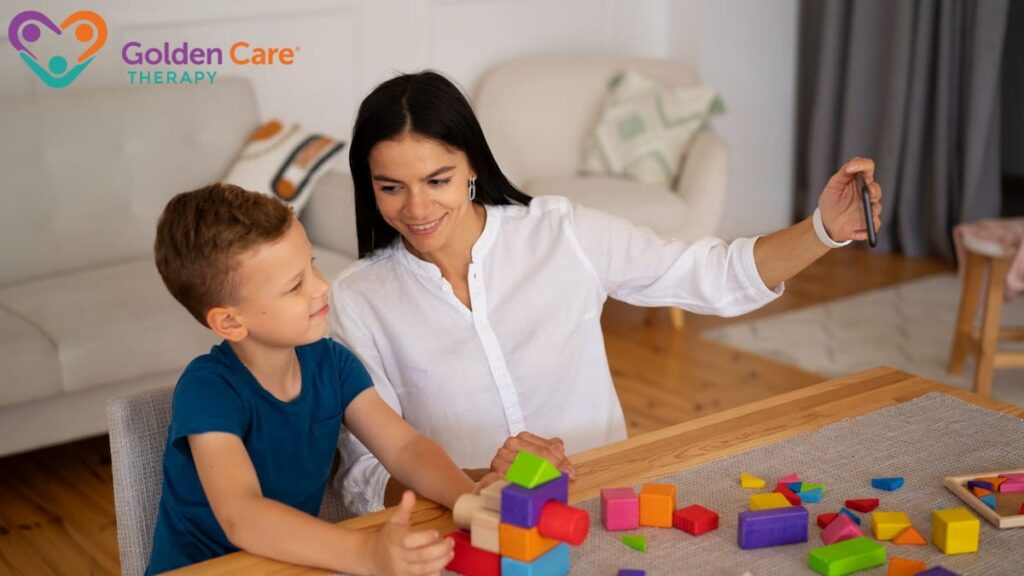
In-home ABA therapy in Miami means a registered behavior technician, called an RBT, comes to your kid’s home. The RBT is supervised by a BCBA. They deliver therapy sessions right in your living space. The kitchen table becomes a therapy setting. So does the backyard. The bathroom during morning routines counts too.
The core advantage here is naturalness. Your kid is learning in the actual environment where they need to use those skills. Instead of practicing asking for a snack in a clinic and hoping it transfers home? Your kid practices it in the kitchen. Where it actually matters.
This model is especially powerful for ABA therapy for families in Miami-Dade who want parent training woven deep into the experience. When the RBT is in your home, you can watch sessions. You can ask questions in real time. You can start applying strategies within the same hour. Knowing how to support your child’s ABA progress at home becomes way easier when you’ve watched it done in your own space.
Benefits of In-Home ABA
- Skills get practiced in the natural environment. That supports generalization
- Parent training is integrated directly into real routines
- No commute. That reduces family stress
- Flexible scheduling. It fits around family life
- Ideal for kids who struggle with transitions to new settings
Challenges of In-Home ABA
- Home distractions can disrupt sessions. Siblings, noise, visitors
- Limited access to peers for social skills practice
- Requires a suitable space.
- Finding available RBTs in certain Miami-Dade neighborhoods can take time
What Is Center-Based ABA Therapy in Fort Lauderdale?
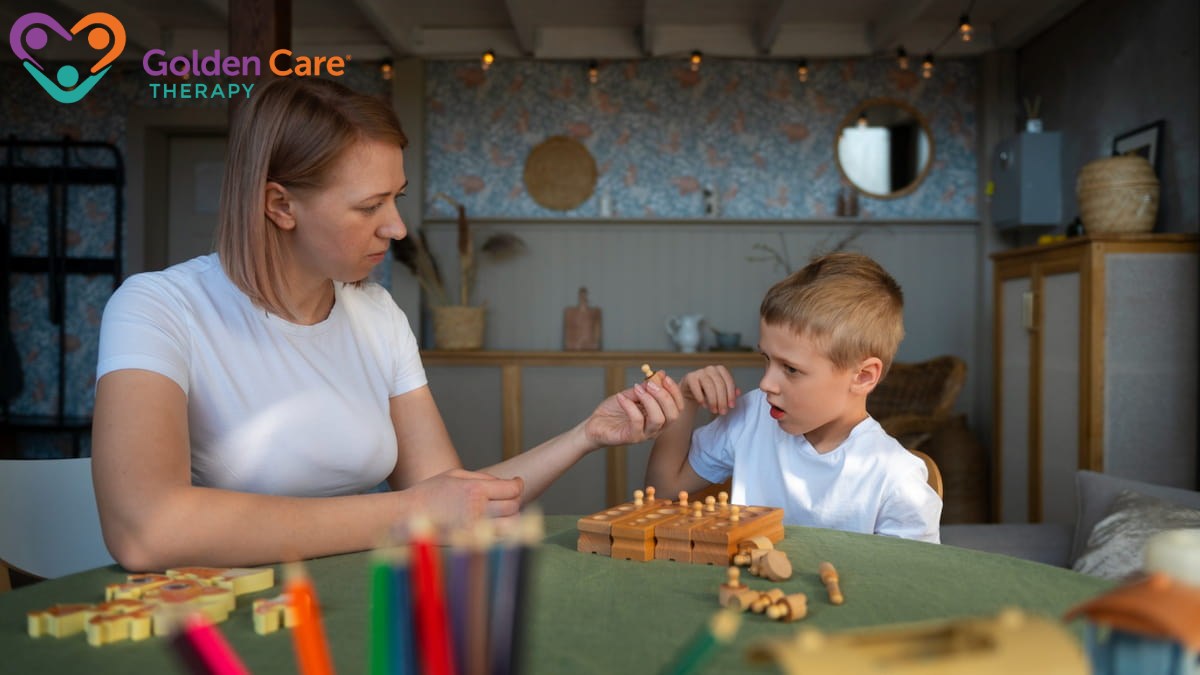
Center-based ABA therapy in Fort Lauderdale happens at a dedicated therapy facility. Centers are purpose-designed for ABA delivery. You’ll find separate work areas. Group rooms. Clinical team supports all under one roof.
The center environment is structured. It’s consistent. Your kid arrives at the same place with the same team. That creates predictability. For lots of autistic kids, that predictability is deeply reassuring. It reduces anxiety. It also speeds up learning. Because your kid isn’t managing environmental uncertainty.
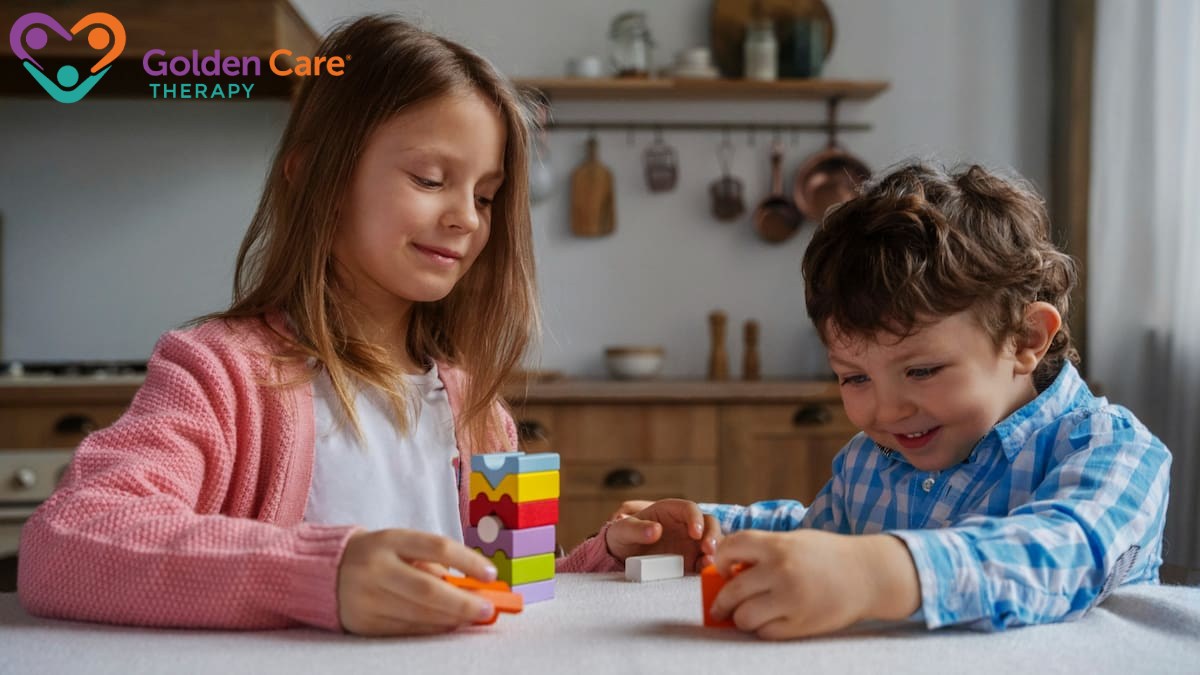
Centers also offer something home-based therapy can’t easily replicate. Peer interaction. Group sessions. Structured play with other kids. Shared activities. They provide real social learning opportunities. Those are hard to manufacture in a home setting.
This matters especially for the best ABA therapy setting for autism in Florida decisions involving school-age kids. Or kids whose primary goals are social skills. Turn-taking. Peer communication. Learning how structured play supports autism development can help you understand why these center-based peer interactions are so valuable.
Benefits of Center-Based ABA
- Structured environment minimizes distractions. Focus goes up
- Peer interaction opportunities for social skills development
- Full clinical team available. Including BCBAs. Speech therapists. OTs in some centers
- Consistent physical space reduces transition anxiety
- Access to specialized materials.
Challenges of Center-Based ABA
- Requires a daily commute. That can be tiring for the family
- Skills learned in the clinic may need extra support to generalize to home
- Less flexibility in scheduling compared to in-home
- Some kids initially struggle with the center environment
Home ABA Therapy vs Clinic-Based ABA Therapy in Florida: Key Comparisons
Here’s a direct side-by-side look at the home ABA therapy vs clinic-based ABA therapy in Florida. Across the factors that matter most to families:
- Natural environment learning: Home wins. Skills get practiced where they’ll be used
- Social skills development: Center wins. Peer interaction is built in
- Parent training integration: Home wins. Real-time coaching in your actual routines
- Structure and focus: Center wins. Fewer distractions. Dedicated learning spaces
- Convenience and scheduling: Home wins. No commute. More flexibility
- Access to full clinical team: Center wins. Multiple specialists in one location
- Generalization of skills: Hybrid of both wins. Learning across multiple settings is most effective
Autism Therapy at Home vs Center-Based Therapy: Which Is Right for Your Child?
The comparison of autism therapy at home vs center-based therapy in Florida is really a question about your kid’s profile.
In-home therapy tends to be a stronger fit when:
- Your kid is very young, like under 3. Therapy embedded in daily routines is most appropriate then
- Daily living skills are primary targets. Toileting. Dressing. Mealtime
- Your kid has significant anxiety about new environments
- Intensive parent training is a central goal of the program
Center-based therapy tends to be a stronger fit when:
- Social skills with peers are a priority goal
- Your kid benefits from a highly structured, low-distraction environment
- School readiness is the focus. The center simulates school-like settings
- Your home environment makes consistent sessions difficult
Lots of kids in South Florida actually receive both. This hybrid model is getting more common. It often produces the best outcomes.
ABA Therapy in South Florida: Understanding Your Insurance Options
Regardless of setting, ABA therapy options in South Florida are covered by most insurance plans. Florida’s autism insurance mandate makes sure of that. Florida law requires insurers to cover ABA therapy for kids with autism up to age 18.
A few practical notes on insurance for South Florida families:
- Both in-home and center-based ABA are typically eligible for insurance reimbursement
- Prior authorization is usually required before services begin
- Your insurer may have network requirements. They prefer specific providers. Sometimes they require specific providers
- Coverage may specify a maximum number of hours per year. Though this is becoming less common
Understanding the cost landscape in Florida can save you real money. It saves stress, too. Reviewing information about understanding the costs of in-home ABA therapy in Florida gives you a realistic picture. What to budget. What to ask your insurer.
What Families in Miami-Dade Are Choosing
For ABA therapy for families in Miami-Dade, the decision often comes down to practical logistics. As much as clinical preference.
Miami-Dade’s traffic, plus the diverse neighborhood geography, plus the density of providers and families, means the landscape here is genuinely varied. Some families in Miami Beach find center-based services an easy commute. Families further west in Homestead may find in-home services way more practical.
Miami-Dade also has a robust ABA community. Multiple providers serve families across the county. Families can explore ABA services specifically for children in Miami-Dade County to understand the local provider landscape. And what each model looks like in practice.
Whatever your geography within the county, the priority is getting your kid into quality, consistent ABA services. The setting matters. The quality of the clinical team matters more.
How to Ask Your Provider the Right Questions
Whether you’re evaluating an in-home program or a center-based one, these questions help you assess quality beyond the marketing:
- Who is the supervising BCBA on my kid’s case? How often do they review sessions?
- How is parent training structured? What does my involvement look like?
- How do you track and report progress? How often do I get updates?
- What happens if my kid isn’t making progress? How is the plan adjusted?
- What is your approach to transitioning skills across settings?
The best providers answer these questions clearly. Without defensiveness. They also think proactively about how your kid’s skills will generalize beyond the session. You can also explore what ABA therapy for children in Florida’s public schools looks like. If school integration is part of your kid’s future goals.
FAQs About ABA Therapy Settings in South Florida
Q: Can my child switch from in-home to center-based ABA, or vice versa?
Yes. Transitions between settings are common. They’re normal too. Your BCBA should manage the transition carefully. Gradual exposure to the new setting. Strong communication across the care team.
Q: Is one setting better for younger children?
In-home therapy is often recommended for very young kids under 3. Because of its focus on the natural environment. As kids approach preschool age, center-based settings that mirror classroom structure become increasingly valuable.
Q: Can we do both in-home and center-based ABA at the same time?
Yes. Lots of South Florida families do. A hybrid model gives your kid the benefits of both. Natural environment learning at home. Structured peer-based learning at the center. Your BCBA can coordinate goals across both settings.
Q: How many hours per week does a child typically receive in each setting?
Center-based programs often run full-day or half-day. Ranging from 15 to 40 hours per week. In-home programs vary widely. They’re often 10 to 20 hours per week. The right intensity depends on your kid’s assessed needs.
Q: Does the setting affect how quickly my child makes progress?
The setting is one factor. Not the most important one, though. Consistency matters more. So does the quality of supervision. Parent involvement matters too. How well do goals match your kid’s actual needs? Those factors matter way more than whether therapy happens at home. Or in a clinic.
Find Your South Florida Fit and Watch Your Child Grow
The right setting is the one where your kid feels safe. Where they make progress. Where you feel genuinely involved. It’s also the one your family can sustain.
Golden Care Therapy serves South Florida families with both in-home services and center-based services. Our in-home ABA therapy in Miami comes alongside clinic-side options. Families get the flexibility to choose the setting that fits their kid today. While evolving the plan as needs change. Every program is supervised by a Board Certified Behavior Analyst. With real experience serving autistic kids across the Miami-Dade region.
Reach out to Golden Care Therapy to discuss which ABA therapy setting is the right fit for your kid. And your family. In South Florida.