Key Points:
- In-home ABA therapy lets your child learn in their own environment. New skills are easier to practice. Easier to keep long-term too.
- Therapists work right inside your home. Daily routines become teaching moments. So does communication. Social interaction gets built into real life.
- Parents and caregivers play an active role in home-based ABA. You reinforce progress throughout the day. Not just during sessions.
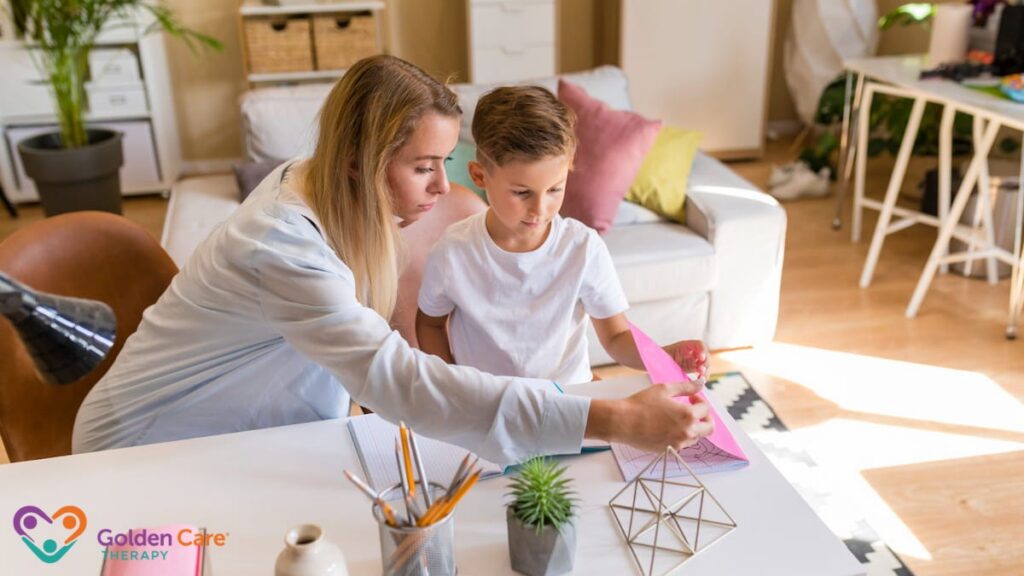
When your child receives therapy in the same place they eat breakfast, play with their toys, and wind down at night, the learning sticks differently. In-home ABA therapy brings professional support directly into your family’s routine. It removes the stress of travel, cuts down on adjustment periods, and creates a learning environment that is already familiar and safe for your child.
This article walks you through what to expect from ABA therapy at home, how it supports real-world skills, and why so many families find it the most practical path to meaningful progress.
What In-Home ABA Therapy Actually Looks Like
A lot of parents picture a therapist sitting across from their child with flashcards. That is not what in-home ABA therapy looks like in practice. Sessions happen during real activities. Getting dressed. Eating a meal. Playing in the backyard. The goal is to build skills in the moments your child will actually need them.
Your therapist is called a Registered Behavior Technician, or RBT. They work under a Board Certified Behavior Analyst (BCBA). The BCBA designs your child’s treatment plan after a full assessment. That plan guides every session. Progress gets tracked, and the plan gets adjusted regularly.
Sessions can happen at different times of day. Some families like morning sessions before school. Others find afternoons work better. Some prefer evenings. That flexibility is one of the biggest advantages of pediatric ABA support in the home setting.
Why the Home Environment Changes Everything
Skills Generalize Faster
Generalization means your child can use a skill in different places. Not just the room where they learned it. One of the well-known challenges in autism therapy is that a child may learn something in a clinic. Then struggle to use it at home. ABA therapy at home solves that problem right at the source. Your child learns skills exactly where they will use them.
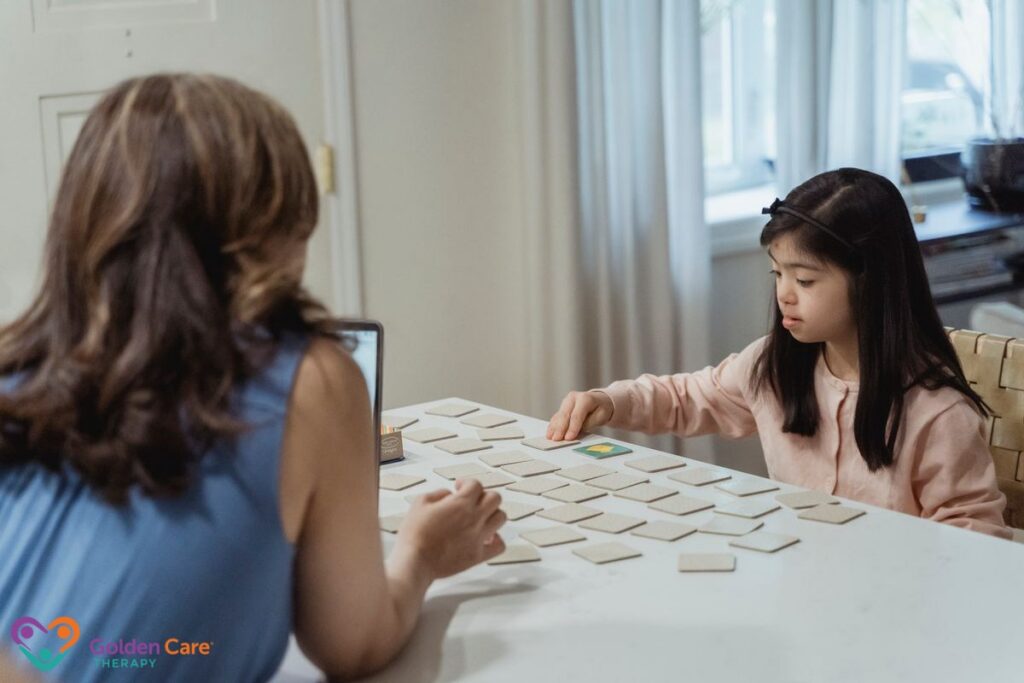
Say your child is working on asking for items using words or a device. Practicing during snack time in your kitchen is way more effective than a clinical setting. The request feels natural. It fits the context. The reward of actually getting the snack is an immediate reinforcer.
Skill acquisition through ABA goes faster when the environment matches real life. Skills last longer too. That is simply how learning works for most kids. It’s especially true for autistic children who thrive on consistency.
Routines Become Learning Opportunities
Think about your morning routine. The way you ask your child to put on shoes. How you get through dinner without a meltdown. Every one of those moments is a chance to reinforce skills. A home-based therapist can actually be there during those moments. They see what triggers difficulty. They also see what helps things go smoothly.
A clinic just can’t replicate this. When your therapist watches your child struggle moving from play to mealtime, they can design a strategy for that exact scenario right then. That kind of real-time problem-solving is what makes early intervention ABA so powerful when it happens at home.
How Communication Therapy Through ABA Develops at Home
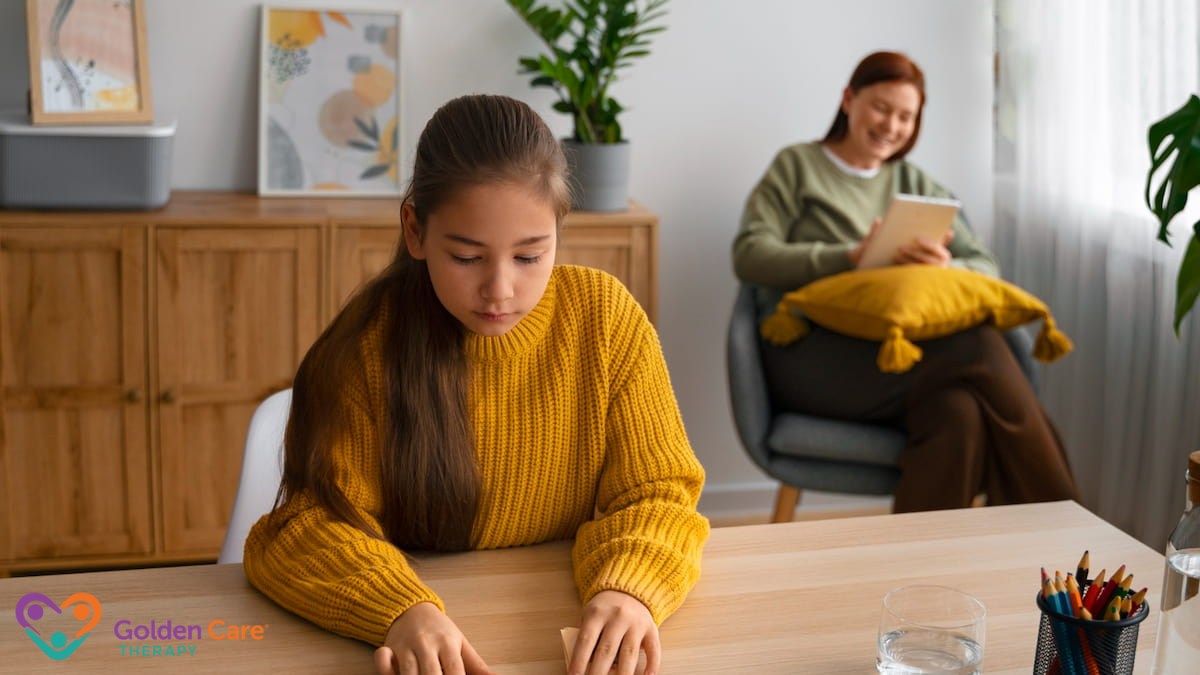
Communication is one of the most important goals for many children getting in-home ABA therapy. Maybe your child is nonverbal. Maybe they use limited words. Maybe they have more advanced language but struggle with conversation. ABA creates structured chances to build all of those skills.
At home, communication therapy through ABA happens during natural interactions. Your child wants the remote. They want more juice. They want a sibling to stop bothering them. These are all communication moments. The therapist teaches your child to express those wants in ways that actually work. Maybe through speech. Maybe through picture exchange. Maybe with a communication device.
Over time, you will notice your child starting more conversations. Requesting things. Commenting on stuff they see. Using language across different situations. Not just with the therapist. That carryover is the goal. It happens most naturally when communication skill development takes place at home.
Social Skills Development Through ABA at Home
You might wonder how social skills development through ABA can happen at home if your child is not around peers. The answer is simple. Social skills start with the people your child is closest to. You. Siblings. Grandparents. Family friends.
Home-based ABA targets skills like turn-taking. It works on sharing too. Initiating play. Reading other people’s emotions. These skills get practiced with family members first. That is less overwhelming for many kids. Once those skills feel solid, they transfer more easily to school or community settings.
Some of the social skills ABA therapists work on at home include:
- Greeting family members when they enter the room
- Asking before taking something that belongs to a sibling
- Responding when someone calls their name from another room
- Turn-taking during play with a parent or sibling
- Expressing when they are upset instead of acting out
The Role of ABA Session Planning in Home-Based Therapy
Every session has a plan. Before your child’s therapist walks through the door, they know exactly what skills are being targeted that day. They know how progress will be measured. ABA session planning is not left to chance. Each goal has specific steps. The therapist collects data on how your child does with each one.
That data goes back to the BCBA, who reviews it regularly. If something is not working, the plan changes. If your child mastered a skill, a new goal gets added. This cycle keeps therapy moving forward. It also makes sure your child is always being appropriately challenged.
As a parent, you will often sit in on these sessions. Or get a briefing afterward. This is where family guidance for ABA therapy comes in. The therapist does not just work with your child. They teach you the strategies too. That way you can reinforce learning between sessions.
What Child Development Through ABA Looks Like Over Time
Progress in ABA does not look like a dramatic overnight change. It tends to be steady. Its also layered. A child who could not follow a two-step instruction may do it after a few weeks of consistent practice. A child who had daily meltdowns during transitions may start handling them with a prompt. Then without one.
Child development through ABA is built on small wins that add up. The goal is independence. Not just following instructions. Being able to handle daily life with less support over time. That includes self-care. Communication. Social interaction. Building life skills that will serve your child for years.
Research consistently shows early intensive intervention leads to the best outcomes. Children who begin early intervention ABA before age five tend to make the most progress. Especially in communication. Adaptive behavior too. The home setting makes that early start more accessible for many families.
ABA Therapy Outcomes Families Can Expect
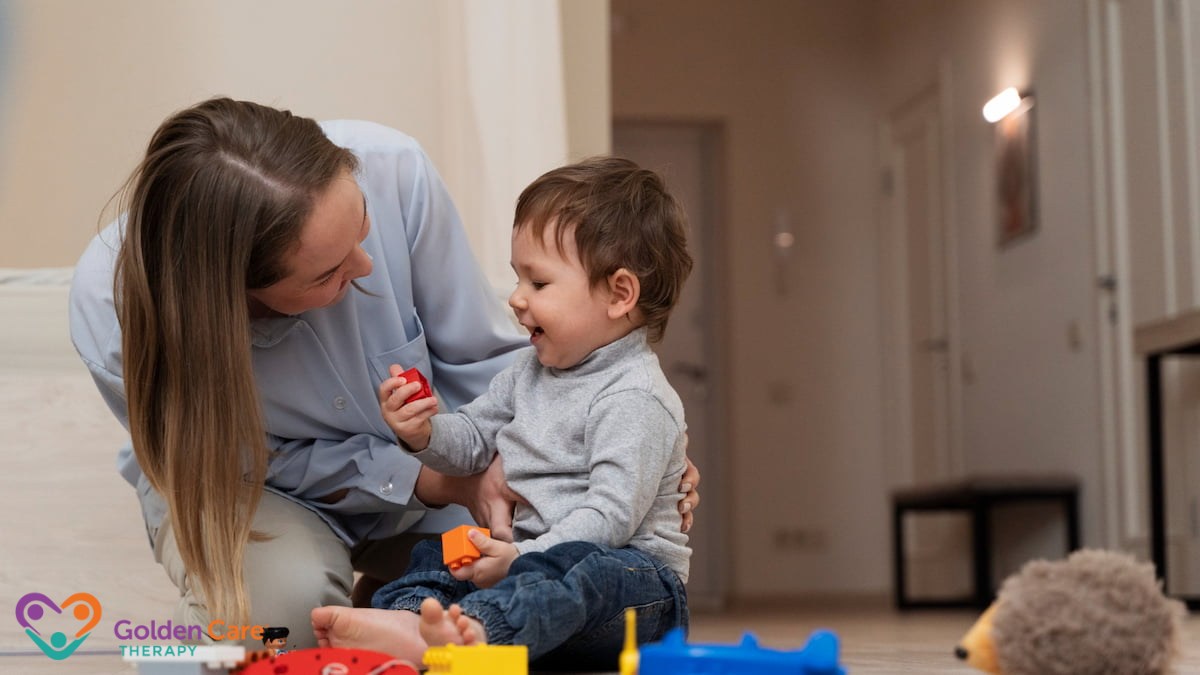
When families ask about ABA therapy outcomes, the honest answer is that results vary. It depends on the child. The intensity of services. How much the family can reinforce skills at home. That said, research supports several consistent outcomes across many children.
Common outcomes include:
- Increased functional communication
- Decreased challenging behaviors at home and in the community
- Greater independence in daily routines like dressing
- Improved ability to follow directions and stay on task
- More positive interactions with family members and peers
The intensity of services matters. Most children getting full in-home ABA therapy have between 10 and 40 hours per week. It depends on their age and needs. Your BCBA will recommend the right amount based on the assessment.
Frequently Asked Questions
What age is best for starting in-home ABA therapy?
Most professionals recommend beginning as early as possible. Ideally between ages two and five. Early intervention leads to stronger outcomes. ABA is also beneficial for older children and teenagers.
Do I need to be present during sessions?
You are encouraged to be involved. Especially for parent training components. Your child can still receive therapy even if you are in another room. Many families find it helpful to observe early on.
How long will my child need in-home ABA therapy?
This varies by child. Some kids receive ABA for one to two years. Others benefit from services for several years. Your BCBA will guide this based on ongoing assessment and progress data.
Will the therapist work with my child’s school as well?
Many BCBAs coordinate with school teams to keep things consistent across settings. You can request this as part of your child’s treatment planning.
What if my child refuses to participate in sessions?
This is common at first. Experienced therapists use a “pairing” period at the start of services. They build a positive relationship before introducing demands. Motivation-based strategies keep sessions enjoyable.
Bring Growth Home, One Session at a Time
Your home is already full of learning opportunities. In-home ABA therapy simply helps you make the most of them. When therapy happens where your child eats, plays, and relaxes, skills are not just learned. They are lived.
Golden Care Therapy supports families by delivering evidence-based ABA services directly to your door. Their team works with you to build strategies that fit your routine. Strategies that fit your child’s goals. Strategies that fit your family’s pace too.
Contact us to learn how in-home ABA therapy can support your child’s development. It can build their independence. It can make daily life feel a little more manageable for everyone in your family.