
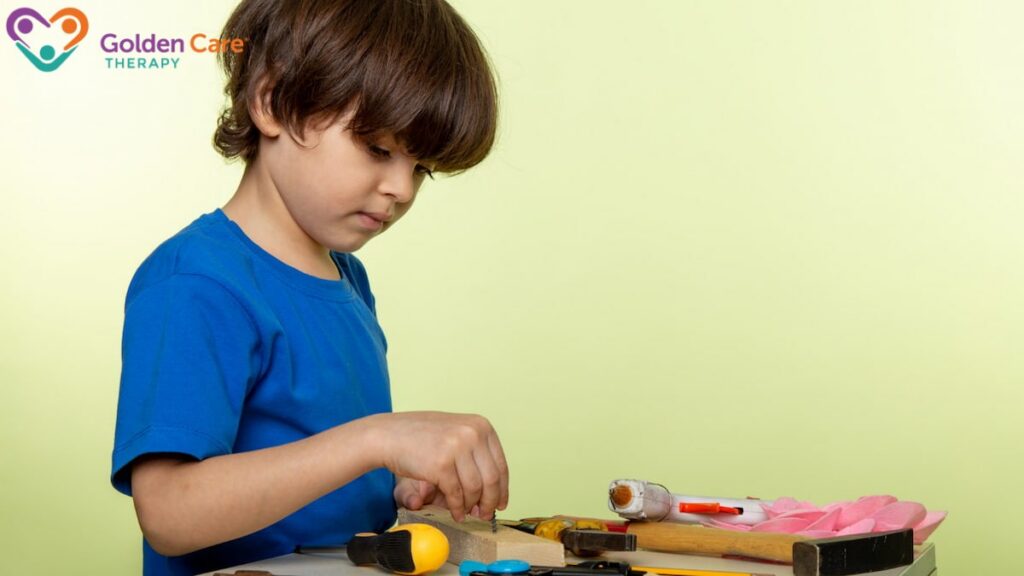
Life skills independence is one of the most meaningful long term goals for autistic children and their families. Beyond academic growth, children need practical abilities that help them care for themselves, communicate needs, make choices, and participate in their communities. Research from national health and education agencies shows that early and consistent life skills instruction improves adult outcomes, including employment, social participation, and daily living independence.
For parents, the path can feel overwhelming. You may wonder which skills to prioritize, how to teach them without frustration, and how to coordinate efforts between home and therapy. This guide focuses on clear, practical steps you can apply immediately.
It also explains how working with providers and strengthening provider relationships can reinforce what your child practices every day. With the right structure and support, independence becomes achievable and sustainable.
Understanding What Life Skills Independence Means
Life skills independence is not about expecting perfection. It is about helping your child do more for themselves over time, with less prompting and greater confidence.
Core areas typically include:
- Personal care, dressing, hygiene, toileting
- Communication of needs, preferences, and emotions
- Household participation, simple chores
- Safety awareness, understanding rules
- Social participation, turn taking and cooperation
- Basic money and time awareness as developmentally appropriate
Studies indicate that adaptive skills often lag behind cognitive abilities in autistic children. This means a child may understand more than they can independently do. Focusing intentionally on adaptive skills bridges that gap.
Start by identifying 2 to 3 high impact skills. Ask yourself:
- What daily task creates the most stress right now
- Which skill would make my child more confident
- What is realistic in the next three months
Small, steady gains build lasting independence.
Teaching Daily Living Skills at Home
Home is the most powerful learning environment because skills are practiced naturally and repeatedly. Consistency matters more than intensity.
Break Skills into Manageable Steps
Complex tasks should be divided into simple, teachable parts. For example, brushing teeth might include:
- Picking up the toothbrush
- Applying toothpaste
- Brushing top teeth
- Brushing bottom teeth
- Rinsing and putting items away
Teach one step at a time if needed. Visual supports, checklists, or picture sequences can reduce verbal overload and increase independence.
Use Predictable Routines
Children learn faster when routines are consistent. Perform tasks in the same order and at the same time each day when possible. Repetition builds neural pathways and reduces anxiety.
Morning and evening routines are ideal starting points because they happen daily and include multiple life skills opportunities.
Fade Prompts Gradually
Independence develops when support decreases over time. Move from physical assistance to gestures, then to visual cues, then to independence. Avoid doing tasks for your child when they are capable of partial participation.
Progress may look slow, but fading prompts intentionally prevents learned helplessness.
Strengthening Communication for Greater Independence
Communication is central to life skills. When children can express needs, they are less frustrated and more capable of participating independently.
Support communication by:
- Teaching clear ways to request help
- Encouraging choice making during daily routines
- Modeling short, functional phrases
- Using visual supports or communication devices when needed
If your child receives therapy, prioritize open and consistent BCBA parent communication to align on communication goals. Ask how skills taught in sessions can be reinforced at home. Simple coordination ensures your child practices the same strategies across environments.
Parents who actively engage in communicating with therapists often report faster generalization of skills. When everyone uses similar prompts and language, children learn more efficiently.
Building Social and Community Skills

Independence extends beyond the home. Community exposure helps children apply skills in real world settings.
Start gradually:
- Practice ordering food at a familiar restaurant
- Teach waiting in line at a quiet store
- Role play crossing the street safely
- Visit playgrounds during low traffic hours
Prepare in advance by reviewing expectations. Visual schedules and social narratives can reduce anxiety and clarify steps.
If challenges arise, discuss them during team meetings in autism services provide. These collaborative discussions allow parents and therapists to adjust strategies before small obstacles become larger barriers.
Community learning should feel supported, not rushed. Mastery develops through repeated, positive experiences.
Encouraging Problem Solving and Decision Making
Independence is not only about completing tasks. It also involves thinking skills and flexibility.
Encourage decision making daily:
- Offer two clothing choices
- Let your child select snacks
- Ask which chore they prefer to complete
When problems occur, guide rather than fix immediately. Ask simple questions such as, “What can we try next?” or “Where should this go?” Even limited problem solving practice builds autonomy.
Research shows that children who practice structured choice making develop stronger executive functioning skills over time. These abilities directly support independent living in adolescence and adulthood.
Supporting Emotional Regulation
Emotional regulation is closely tied to independence. A child who can manage frustration is more likely to persist with tasks.
Teach regulation skills through:
- Clear emotional labeling, happy, frustrated, tired
- Calm down routines practiced before crises
- Break cards or signals to request space
- Reinforcement for using coping strategies
Independence grows when children trust their ability to handle challenges. Emotional skills are life skills.
Coordinate strategies through consistent therapy updates for parents to receive from providers. If calming techniques are introduced in therapy, mirror them at home. Consistency builds reliability for your child.
The Role of Family and Siblings
Independence is supported by the whole family system. Siblings can model tasks, demonstrate routines, and encourage social interaction.
Encourage siblings to:
- Model chores step by step
- Celebrate effort, not perfection
- Include their brother or sister in structured play
At the same time, protect your child’s dignity. Avoid comparisons or public corrections. Independence thrives in an atmosphere of respect and patience.
Strong provider relationships also help families navigate sibling dynamics. Therapists can offer strategies tailored to your household routines.
Collaborating With Your Child’s Therapy Team
Independence accelerates when home and therapy goals align. Effective therapy team collaboration ensures that everyone works toward consistent, measurable objectives.
Ways to strengthen collaboration include:
- Attending regular team meetings for autism programs schedule
- Asking for practical carryover activities after sessions
- Requesting clarification if strategies feel unclear
- Sharing home successes and setbacks honestly
When working with providers, view the relationship as a partnership. Your insights about daily routines are essential. Therapists provide structure and data. Together, you create continuity.
Open BCBA parent communication also prevents misunderstandings. If a strategy feels unrealistic, discuss adjustments. Independence goals must fit your family’s lifestyle to be sustainable.
Children benefit most when adults present a unified, calm, and consistent approach.
Tracking Progress Without Pressure
Measuring growth keeps motivation strong. Independence often develops gradually, and small gains matter.
Track progress by:
- Recording how many prompts are needed
- Noting increased task duration
- Celebrating partial completion
- Documenting generalization across settings
Avoid comparing your child to peers. Adaptive development varies widely. Focus on forward movement, not speed.
Regular therapy updates for parents can provide them with objective data. They can use this information to reinforce gains at home. When families understand progress clearly, they can adjust expectations and strategies appropriately.
Preparing for Adolescence and Long Term Independence
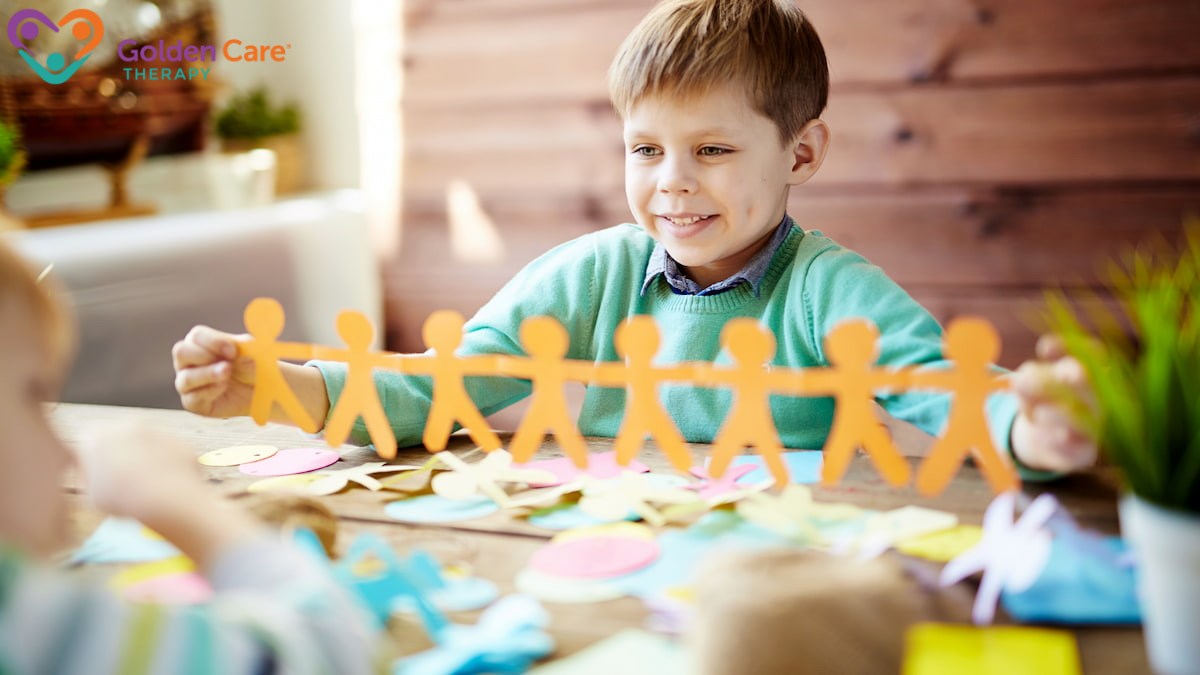
Life skills instruction should evolve with age. As children grow, expand expectations in manageable steps.
For older children:
- Introduce simple meal preparation
- Teach laundry basics
- Practice money identification
- Build time awareness using visual timers
- Encourage safe technology use
National disability research shows that early adaptive skill training strongly predicts adult independence outcomes. Starting now, even with simple routines, builds the foundation for later success.
Continue communicating with therapists about long term goals. As needs change, goals should shift from basic self care to broader community and vocational readiness.
Frequently Asked Questions
How early should life skills training begin?
Life skills training can begin in early childhood. Simple tasks like cleaning up toys or washing hands lay foundations for future independence and confidence.
What if my child resists doing tasks independently?
Resistance is common. Break tasks into smaller steps, use visual supports, and reinforce effort. Gradually reduce assistance to avoid overwhelming your child.
How often should I communicate with my child’s therapy team?
Regular check-ins, even brief ones, improve alignment. Consistent BCBA parent communication ensures goals remain realistic and coordinated across settings.
Can life skills be taught without formal therapy?
Yes, many skills can be taught at home using routines and repetition. However, structured guidance from professionals enhances progress and consistency.
How do I know if independence goals are appropriate?
Goals should be challenging but achievable within a few months. Discuss expectations during team meetings autism programs offer to ensure alignment with your child’s developmental level.
Building Independence Today for a More Confident Tomorrow
Life skills open doors to self reliance and dignity. At Golden Care Therapy, therapists design structured ABA teaching programs tailored to each child’s developmental level. Techniques such as discrete trial training and supportive prompting are used to break complex routines into manageable steps.
Children practice daily living skills repeatedly until they gain fluency and independence. Families across Georgia see steady improvements in self care, organization, and community participation.
Parents are included in planning so skills taught during sessions continue at home. Independence is not rushed. It is carefully built with consistency and encouragement. Connect with Golden Care Therapy to help your child move confidently toward greater independence.