
Teaching Turn-Taking and Sharing in Play
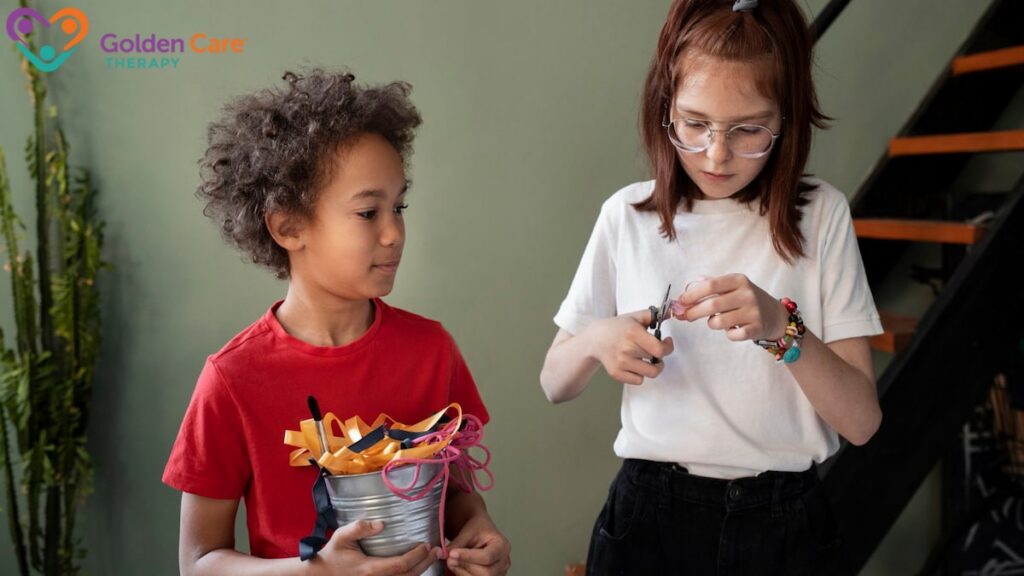
Turn-taking and sharing are foundational social skills that shape how children build friendships, solve conflicts, and participate in group settings. These abilities begin developing in the toddler years and continue growing throughout early childhood. Research consistently shows that early social play experiences strongly predict later communication skills, peer acceptance, and classroom readiness. For many children, […]
Time Management Skills for School-Age Children

School days move quickly, and many children struggle to keep up with shifting routines, homework deadlines, and classroom expectations. For children with autism, organizing tasks and understanding time can feel overwhelming. Parents often ask for an IEP explained in practical terms so they can better support autism IEP goals related to planning and independence. Time […]
How to Recognize Early Signs of Autism in Children
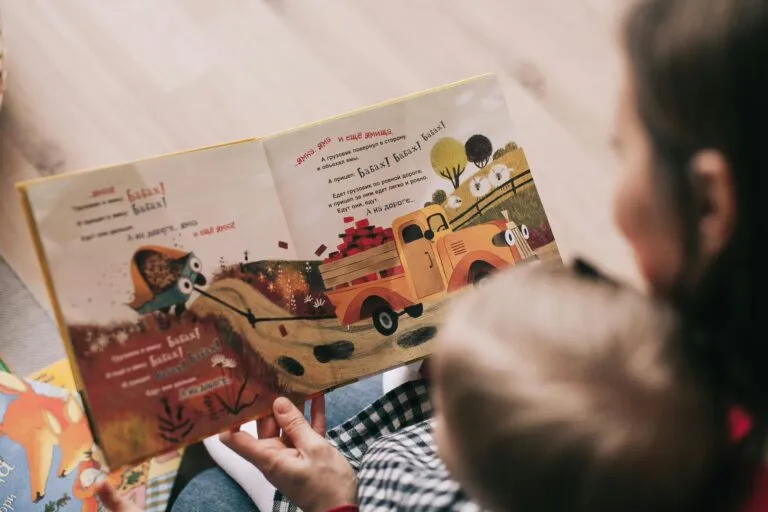
Imagine observing your child as they walk around the home. They can be pointing at something new, giggling, or babble. But what if they’re not? What happens if you call their name and they don’t look? What if, even when playing, they avoid making eye contact? Many parents take note of these occasions. They wonder […]
Empowering Adults with Disabilities in Cobb County, Georgia

Inside a flower shop filled with vibrant color and tender care, a metro Atlanta woman has discovered more than just a job—she’s found a place to grow, thrive, and blossom into her full potential. Haley Dahl, who has autism, was placed at Kennesaw Floral through the Tommy Nobis Center, a Georgia-based nonprofit organization dedicated to helping adults […]
Best Milk for Autism Child
According to the Rehabilitation Council of India, approximately one in 100 children below 10 years of age is on the autism spectrum. The prevalence of autism has been increasing in recent years, and it is now one of the most commonly diagnosed developmental disorders. While the exact causes of autism are still being studied, it […]
7 Ways to Build Confidence in a Child with Autism

Confidence is an important part of a child’s emotional well-being, shaping how they interact with the world, learn new skills, and develop relationships. For children with autism, building confidence can be a unique challenge, often influenced by sensory sensitivities, social difficulties, and struggles with communication. However, with the right support and encouragement, autistic children can develop […]
How to Help Your Autistic Child Make Friends
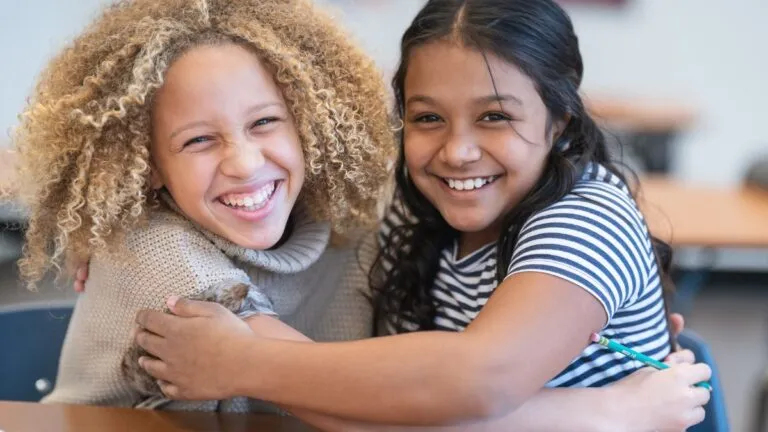
Friendship is a vital part of childhood, shaping a child’s sense of belonging, self-worth, and happiness. For autistic children, making friends can sometimes be a challenge due to differences in social communication, sensory sensitivities, or difficulties understanding social norms. However, with the right guidance, support, and patience, autistic children can build meaningful friendships that enrich their […]
What Rewards Work Best for Autistic Children
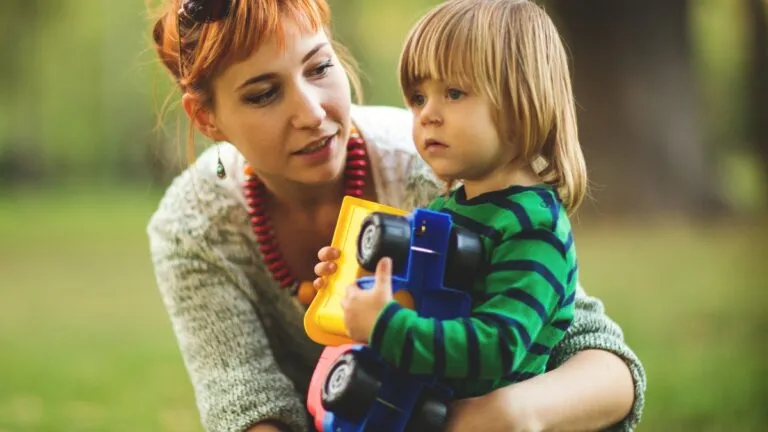
Rewards play a crucial role in encouraging positive behavior and promoting learning among autistic children. They provide incentives for engagement, compliance, and skill development. For children who engage in self-stimulatory behaviors like hand rubbing, rewards can be used to gradually shape alternative behaviors or reinforce positive coping strategies. By reinforcing desired behaviors, parents and caregivers can […]
A Look at the Skin Sensitivity of Children with Autism

Children with autism often experience heightened skin sensitivity, which can affect their daily lives. This sensitivity may manifest in various ways, such as discomfort with certain fabrics, reactions to temperature changes, or sensitivity to touch. Some children may also engage in self-soothing behaviors like hand rubbing, which can help them manage sensory input and feel more […]
Is Hand Leading Common in Children with Autism?
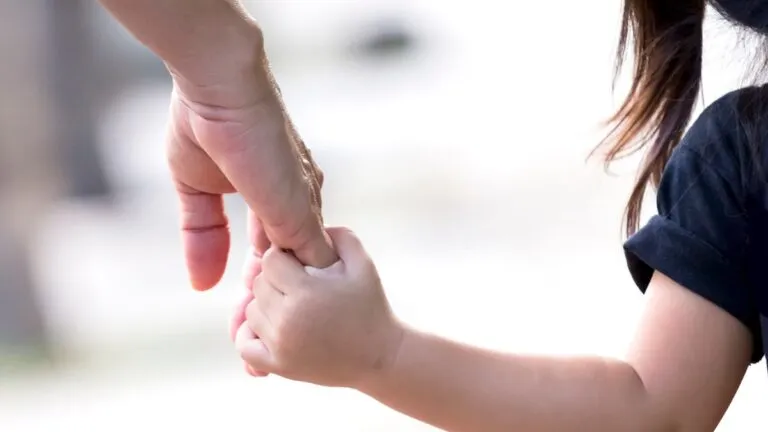
Hand leading is a form of nonverbal communication that plays a significant role in how children, particularly those with autism, express their needs and desires. Instead of relying on verbal requests or conventional gestures such as pointing, children engage in hand leading by grasping an adult’s hand and physically guiding them toward an object or […]