Blog

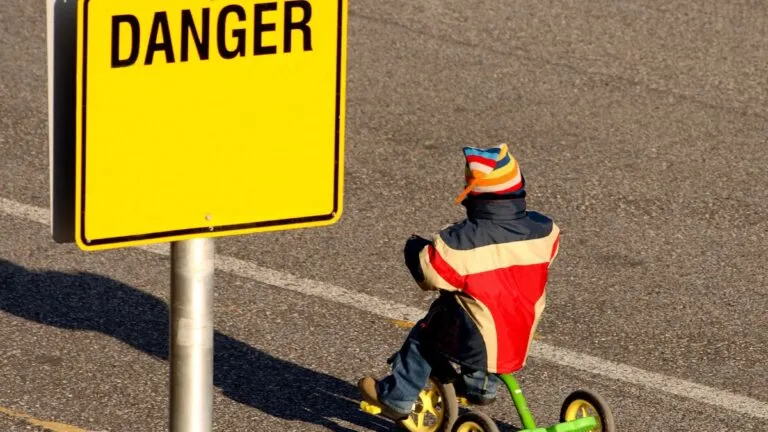
How Does Autism Affect a Child’s Sense of Danger

A child’s sense of danger helps them navigate the world safely, but for children with autism, this awareness can be different.  Some may not recognize risky situations, like running into the street or touching a hot stove. Others might feel extreme fear over things that seem harmless, like a buzzing

Read More

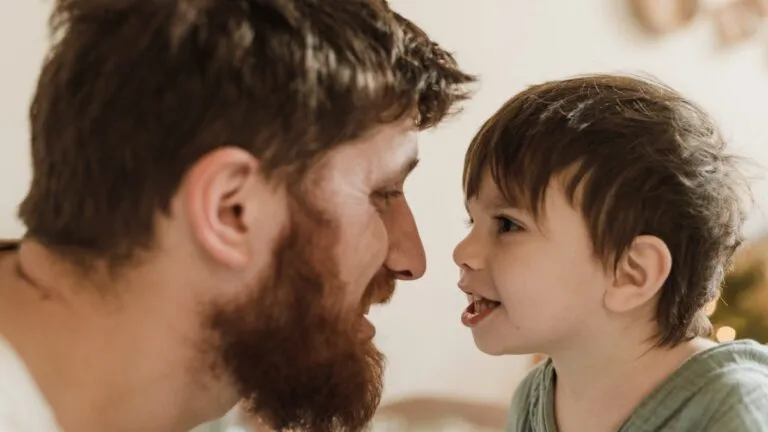
6 Ways Autistic Children Perceive Facial Expressions

Facial expressions are a vital part of communication. They help us understand how someone is feeling without needing words. A smile can signal happiness, a frown can show disappointment, and raised eyebrows might mean surprise or confusion.  For many autistic children, however, interpreting these facial cues is not as straightforward. Their

Read More

How Do Autistic Children Experience Physical Touch

Autistic individuals often experience unique sensory processing differences, particularly regarding touch. For those who have tactile avoidance or aversion, physical contact can be uncomfortable, painful, or distressing.  Many describe touch as intense or irritating, which can lead to feelings of a loss of control. This sensitivity can make even casual or incidental

Read More

The Ultimate Guide to Communicating with Nonverbal Children

Communicating with nonverbal children, particularly those with autism, requires patience, creativity, and an understanding of their unique ways of expressing themselves.  While they may not use spoken language, nonverbal children still have thoughts, feelings, and needs they want to share. By recognizing their communication styles and using effective strategies, caregivers, educators, and

Read More

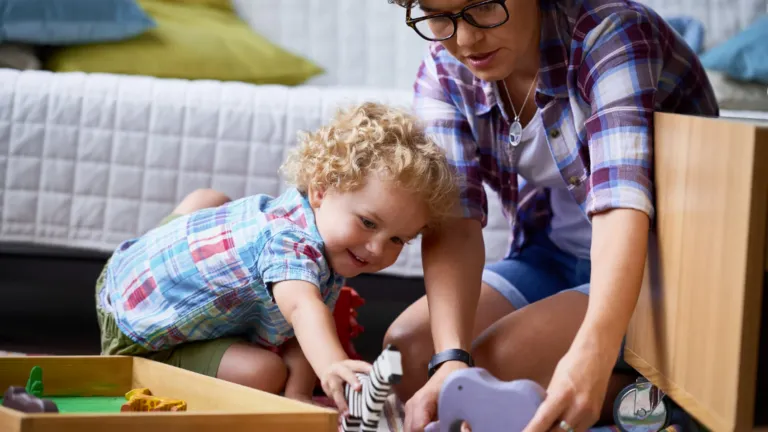
Navigating the Common Challenges of Raising an Autistic Child

Parenting is always a journey filled with learning and adaptation, but raising an autistic child comes with unique challenges that require patience, resilience, and creative problem-solving.  While every child on the autism spectrum is different, many parents encounter common struggles related to communication, hyperactivity, sensory sensitivities, education, and emotional well-being.  Understanding

Read More

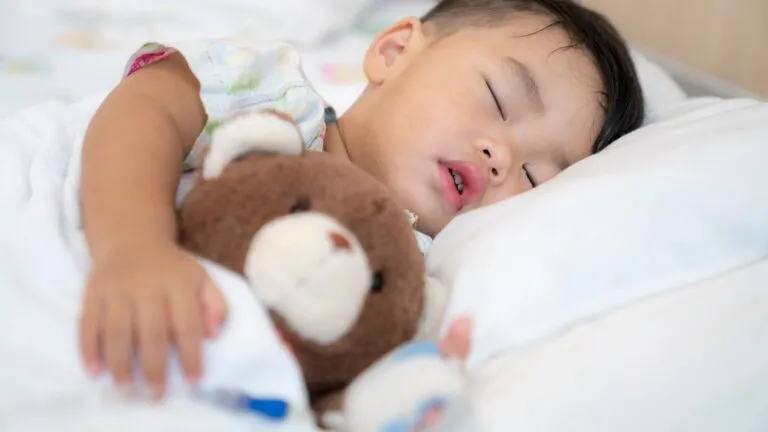
How Autism Affects Sleep Patterns in Children

Children with autistic spectrum disorders typically experience notable sleep discrepancies compared to their peers. Research indicates that these children sleep for 17-43 minutes less each day than contemporary controls from 30 months to 11 years. The reduction in total sleep is primarily attributed to changes in night-time sleep rather than daytime sleep

Read More