
Blog

Can Role-Playing Improve Social Skills in Autistic Kids?

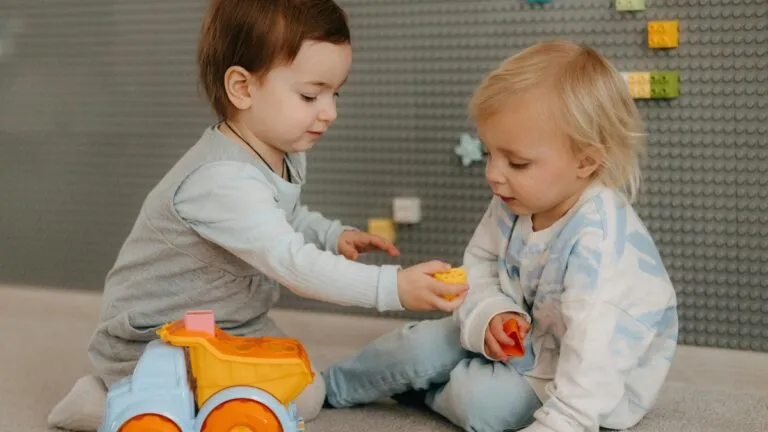
Role-playing serves as an effective method for enhancing social skills in children with autism. This approach allows children to practice and refine their interactions in a safe and supportive environment. Psychologists often utilize social scripts as a foundational tool in autism therapy. Social scripts involve creating specific sentences or phrases that children

Read More

5 Skills ABA Therapy Teaches Children with Autism

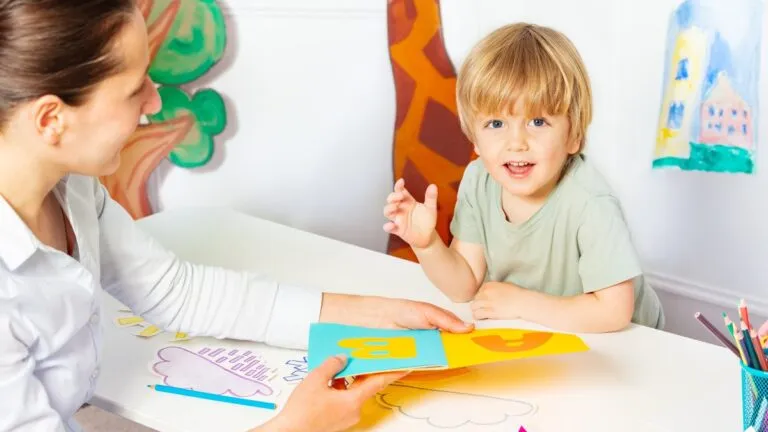
Applied Behavior Analysis (ABA) therapy is a scientific approach that focuses on understanding and improving specific behaviors. It is widely used to support children with autism by applying techniques based on the principles of learning and behavior. ABA therapy involves breaking down complex skills into smaller, manageable steps, making it easier for children

Read More

An Overview of Special Education for Autistic Children

The foundation of special education laws is rooted in the principle of equal access to education for all students.  According to the National Center for Education Statistics (NCES), approximately seven million students aged 3 to 21 receive special education services in the U.S., which accounts for 14 percent of all public

Read More

How Does Autism Affect a Child’s Sense of Danger

A child’s sense of danger helps them navigate the world safely, but for children with autism, this awareness can be different.  Some may not recognize risky situations, like running into the street or touching a hot stove. Others might feel extreme fear over things that seem harmless, like a buzzing

Read More

6 Ways Autistic Children Perceive Facial Expressions

Facial expressions are a vital part of communication. They help us understand how someone is feeling without needing words. A smile can signal happiness, a frown can show disappointment, and raised eyebrows might mean surprise or confusion.  For many autistic children, however, interpreting these facial cues is not as straightforward. Their

Read More

How Do Autistic Children Experience Physical Touch

Autistic individuals often experience unique sensory processing differences, particularly regarding touch. For those who have tactile avoidance or aversion, physical contact can be uncomfortable, painful, or distressing.  Many describe touch as intense or irritating, which can lead to feelings of a loss of control. This sensitivity can make even casual or incidental

Read More