
Key Points:
- ABA parent training gives you specific strategies to reinforce your child’s therapy goals. You apply them during everyday routines at home.
- When parents are active partners in therapy, children generalize skills faster. They show stronger behavioral progress that lasts longer too.
- You do not need a clinical background to apply ABA strategies. Coaches break techniques down into simple steps. Any caregiver can use them.
You spend more hours with your child than any therapist ever will. That is not a small thing. Honestly, it’s your greatest advantage. ABA parent training turns that time into a powerful extension of your child’s therapy. When you know how to use reinforcement, prompting, and behavior therapy at home, the skills your child is building in sessions do not stop when the therapist leaves. This guide walks you through what parent coaching in ABA actually involves. It also covers how it can make a real difference in your child’s progress.
What Is ABA Parent Training?
ABA parent training is a structured process. A Board Certified Behavior Analyst (BCBA) teaches caregivers how to use the same strategies used in formal therapy sessions. The goal is not to turn you into a therapist. It is to give you the tools to support your child’s goals throughout the day.
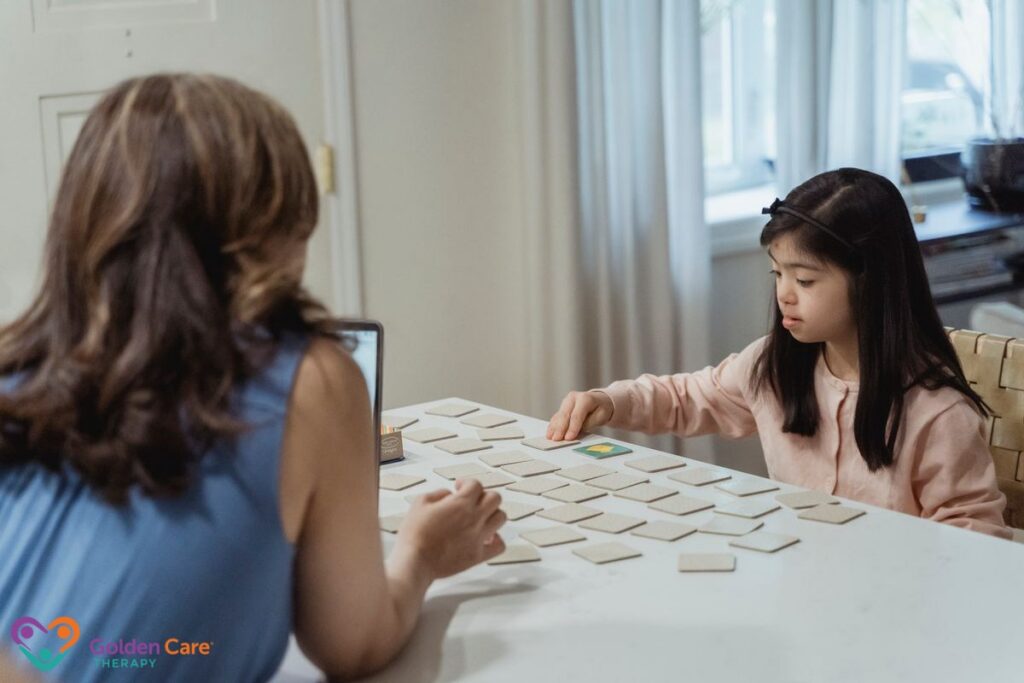
Sessions can happen in your home. Over video call. Sometimes at a clinic. Most caregiver coaching for ABA programs includes observation. Plus demonstration. Plus practice with feedback. You watch the therapist work with your child. You try the techniques yourself. You get guidance in real time.
Parent training is now considered an essential part of comprehensive ABA services. It is not an add-on anymore. It is core to how effective pediatric ABA programs are designed.
Why Your Involvement Directly Affects Outcomes
Research consistently shows that children whose caregivers are actively trained make faster progress. The reason is simple. The more consistently a skill gets prompted and reinforced, the faster it becomes automatic. A therapist seeing your child for 10 to 20 hours a week just cannot replicate the 100-plus hours you spend with them.
This is where ABA skill generalization becomes important. Generalization means your child uses a skill across different people. Different places. Different situations. Not just with the therapist. Without caregiver involvement, generalization is slow. With it, skills move from therapy sessions to breakfast. To bathtime. To school mornings too.
Parent involvement in ABA therapy also reduces frustration at home. When you understand why certain behaviors happen and what to do instead of reacting, the whole household tends to run more smoothly.
Core Techniques You Will Learn in Caregiver Coaching

Reinforcement
Reinforcement is the backbone of ABA. When your child does something you want to see more of, you follow it with something they find motivating. That could be praise. A preferred item. Screen time. Physical affection. The key is timing and consistency.
Effective home reinforcement for ABA therapy means you are delivering reinforcement right after the target behavior. Not a few minutes later. “Great job asking for juice” works. “Good job earlier today” does not have the same impact on behavior.
Positive reinforcement is most powerful when it is specific. Saying “I love how you said ‘more please'” teaches your child exactly what they did right.
Prompting and Prompt Fading
Prompting means giving your child a cue to help them do something. That might be a verbal reminder. Pointing to what they need to do. Physically guiding their hand. Modeling the action yourself. Different prompts work for different skills.
The goal is always to fade prompts over time. You start with as much support as your child needs. Then you gradually pull back so they can do it independently. Your BCBA will show you exactly how to do this for your child’s specific targets. Without accidentally creating reliance on prompts.
- Physical prompts for hands-on tasks like dressing or utensil use
ABA Session Guidance for Daily Routines
Your coach will help you identify the best moments in your day to add ABA session guidance. These are called “embedded learning opportunities.” Instead of sitting down for a formal teaching session, you are practicing skills during activities that are already happening anyway.
Some of the most effective embedded opportunities include:
- Morning routines like brushing teeth
- Mealtime, where communication, patience, and self-help skills get targeted
- Daily routine support during transitions between activities
- Play time, where turn-taking, sharing, and joint attention get practiced
Social Skills ABA: What Parents Can Practice Daily
One of the most valuable areas of social skills ABA is teaching your child to interact with the people they live with. You start there before expecting them to connect with peers at school or in the community.
At home, you are working on foundational skills like making eye contact when talking. Plus waiting their turn in conversation. Plus understanding basic social rules. These do not need structured lessons. They happen when you narrate your day. When you ask your child simple questions. When you wait for them to respond.
For kids working on play skills, even 10 minutes of structured play with a sibling or parent counts. Especially when it’s guided by what they learned in therapy. That is meaningful child development support. It does not need to be formal. It does not need to be complicated.
Skill-Building Activities Through ABA You Can Try Today
These are simple skill-building activities through ABA that caregivers can start right away. No special equipment needed.
Early Intervention Support: Why Starting Early Matters

The earlier you begin early intervention support, the better the outcomes. The brain is most adaptable in the first few years of life. Skills learned during this window are more easily retained. They get built upon more easily too.
Parent coaching is especially critical during early intervention. Children this age spend the vast majority of their time with caregivers. When parents are trained well, they become the primary agents of change during the most sensitive developmental period.
If you have recently received an autism diagnosis for your child, know that accessing ABA therapy strategies early is one of the most impactful steps you can take right now. That includes parent training.
Frequently Asked Questions
How often do parent training sessions typically happen?
Most programs include parent training at least twice a month. More frequent coaching during the early stages of therapy. Your BCBA will recommend a schedule based on your child’s plan.
What if I struggle to apply the techniques consistently?
This is completely normal. Your coach is there to troubleshoot. Not to judge. Bring your real challenges to each session. Your BCBA will adjust the strategies to work better for your family’s situation.
Can other caregivers like grandparents or teachers receive ABA coaching?
Yes. Many programs extend training to other key people in your child’s life. Consistency across environments is one of the most important factors in ABA success.
Does parent training replace direct therapy for my child?
No. Parent training complements direct therapy. Your child still needs sessions with a trained therapist. Your involvement amplifies those results throughout the rest of the day.
What if I have limited time to practice at home?
Even small moments count. Your BCBA can help you identify three to five minutes in your existing routine where ABA strategies can be naturally applied. Without adding extra tasks to your day.
Your Everyday Is Already Full of Teaching Moments
Every meal. Every morning routine. Every bedtime. These are not just daily tasks. They are opportunities. ABA parent training helps you see them that way. It helps you use them to support the skills your child is working hardest on.
Golden Care Therapy offers structured caregiver coaching as part of its pediatric ABA programs. Their BCBAs work directly with families. They teach practical, low-pressure strategies that fit into real life without adding stress.
Contact us to find out how parent involvement in ABA therapy can strengthen your child’s progress. It can build consistency across your home. It can give you the confidence to support their growth every single day.