Key Points:
- ABA social skills programs teach children specific, measurable interaction skills through structured practice. Not just exposure to peers.
- Skills like initiating conversation, reading social cues, and taking turns are broken into teachable steps. Children build them up gradually through evidence-based methods.
- Early social skill development through ABA creates a foundation that supports friendships. Plus academic participation. Plus independence throughout childhood.
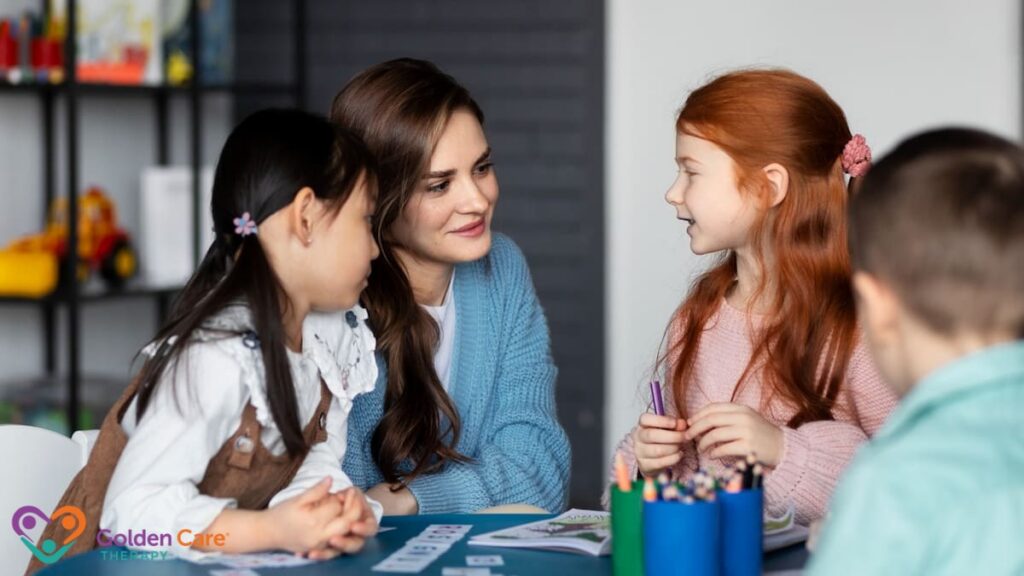
Making friends can feel like second nature to some kids. For autistic children, those same moments can feel like navigating a foreign language without a map. Saying hello. Joining a game. Knowing when to talk and when to listen.
ABA social skills programs are designed to change that. They do not force a child to be someone they are not. They build the specific skills that make connection possible. Step by step.
If you are wondering whether your child could benefit from social skill interventions through ABA, this article breaks down exactly what these programs offer. How they work. What families can expect.
Why Social Skills Matter for Autistic Children
Social development is not just about making friends. Though that matters deeply. It is about quality of life. Mental health. Long-term independence. Research shows autistic adults who have stronger social skills report higher life satisfaction. Better employment outcomes too. Plus more meaningful relationships.
Many autistic children want to connect with peers. They are not indifferent. What they often lack are the specific tools to do it. An autism peer learning environment that teaches those tools explicitly, rather than assuming they will be picked up naturally, can be transformative.
The good news is that communication skills through ABA can be taught. Social interaction is not a fixed trait. It is a set of learnable behaviors. That is the foundational idea behind every ABA social skills program.
What ABA Social Skills Programs Actually Teach
Foundational Skills for Younger Children
For toddlers and early elementary-age children, ABA social skills programs start with building blocks. These are skills that everything else depends on. Without them, more complex social behavior is nearly impossible to teach.
Core foundational skills include:
- Joint attention: Sharing focus on the same object or event with another person
- Imitation: Copying actions and words, which is how children learn from each other
- Basic turn-taking: Understanding that interactions go back and forth
- Responding to greetings and initiating simple interactions
- Practice through structured play activities
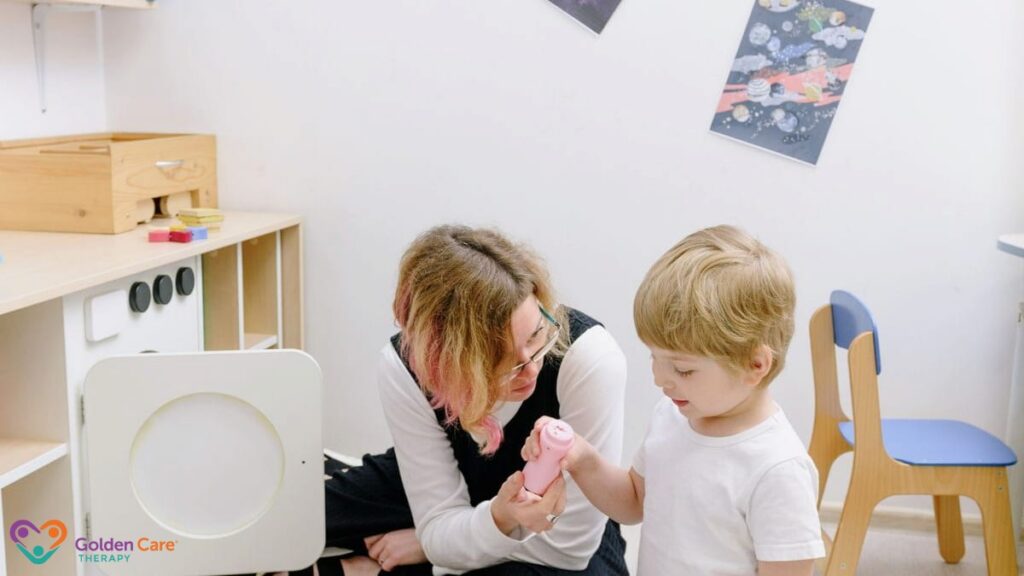
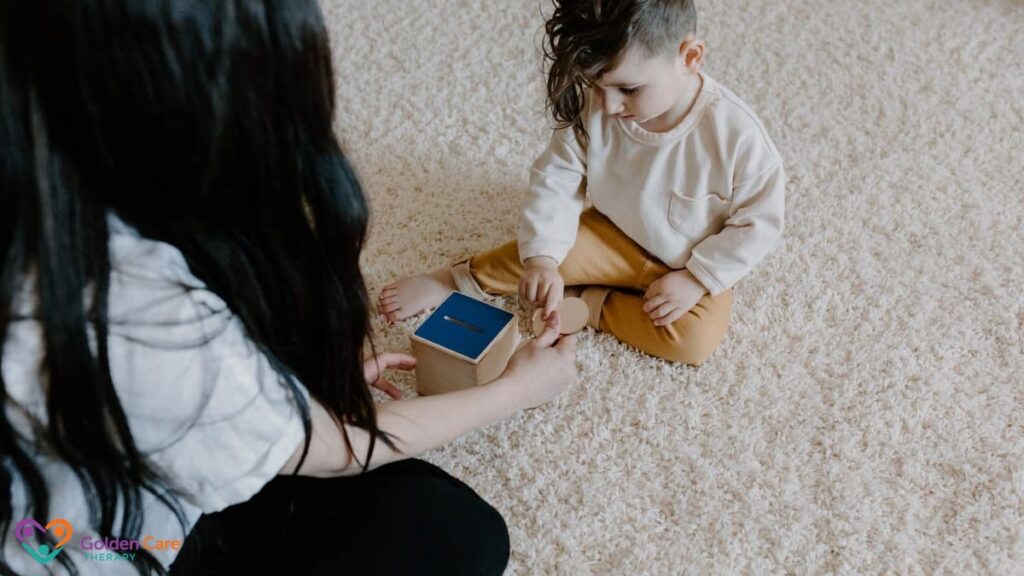
Therapists teach these through direct instruction. Plus modeling. Plus practice. First with therapists. Then with peers in structured group settings.
Skills for School-Age Children
As children grow, the social demands of their environment change. School means group work. Recess. Navigating friendships. Understanding unwritten rules. Social skill interventions through ABA for school-age children target these specific challenges.
This includes teaching children to:
- Read facial expressions and body language
- Understand perspective-taking, recognizing how others feel or what they are thinking
- Resolve peer conflicts in age-appropriate ways
- Maintain a topic in conversation without dominating or losing thread
- Identify when a friendship is going well and when it is not
How ABA Session Planning Supports Social Skills Development
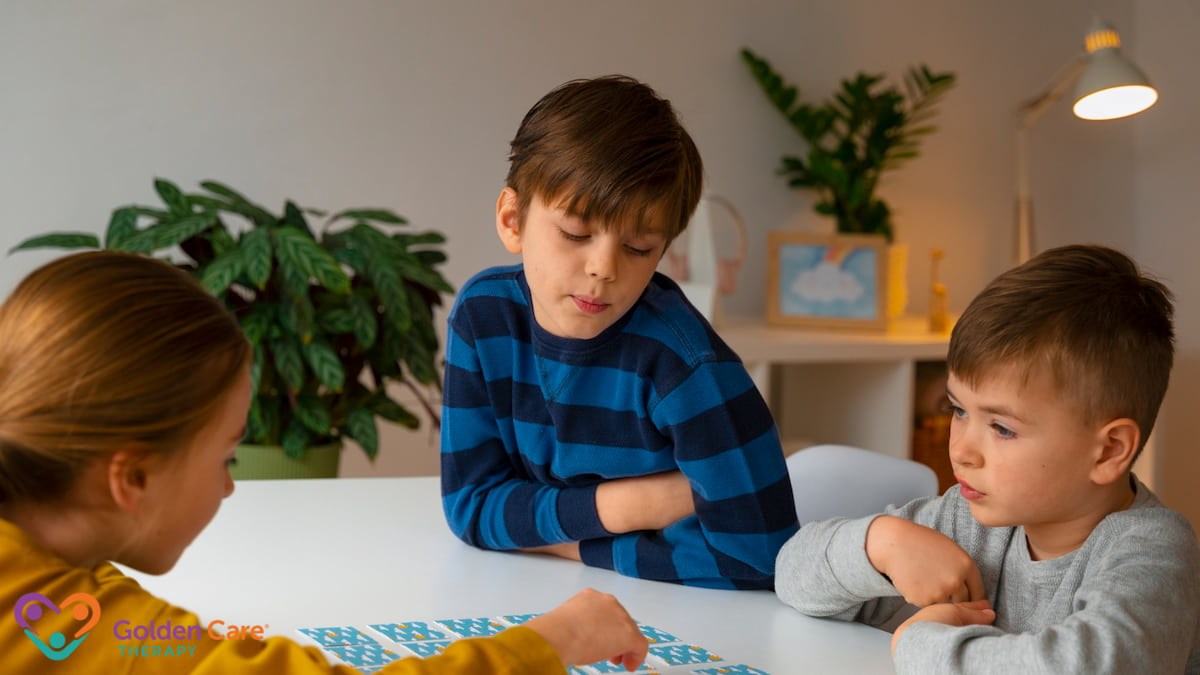
Every social skills session is intentional. ABA session planning for social skill development maps out which skills are being targeted. How they will be practiced. How progress will be measured. This is not free play with supervision. It is structured practice with a purpose.
Sessions may include:
- Discrete trial training for specific skills like greetings or complimenting others
- Role play with therapist or peer models to practice real-life scenarios
- Social stories, brief narratives that explain how social situations work
- Video modeling, where children watch and analyze social interactions on video
- Naturalistic teaching embedded in actual social activities
Progress data is collected in every session. The BCBA reviews this regularly. They adjust the plan based on what is working and what needs more support.
Autism Peer Learning: The Role of Group Programs
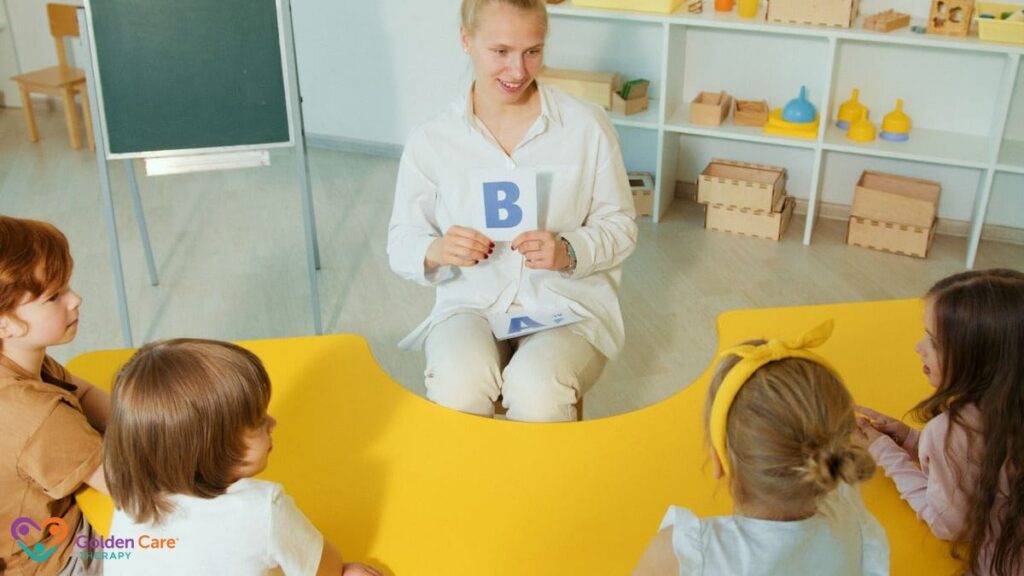
Individual therapy lays the groundwork. Group settings let children practice in conditions that actually reflect real life. Autism peer learning in small group programs is one of the most effective ways to build social skills. It involves real interaction with real peers. With built-in support.
Groups are typically small. Two to six children. A trained therapist facilitates them. The children work on similar goals. The therapist structures activities. They coach in the moment. They reinforce positive interactions.
Over time, kids in group programs show improved ability to initiate interactions. To respond to others. To manage social conflicts. They also tend to have more fun. For many children, these groups become the first place they experience something that feels like genuine friendship.
Communication Skills Through ABA: The Social Foundation
Social interaction requires communication. For many autistic children, communication is a primary challenge. Communication skills through ABA build the language your child needs to participate in social situations. That might be spoken language. Augmentative communication. A combination of both.
Specific communication goals that support social skills include:
- Requesting to join an activity: “Can I play too?”
- Commenting on what someone else is doing to start a conversation
- Asking questions and following up based on answers
- Progress through adaptive learning programs
- Saying no and setting boundaries in socially appropriate ways
Each of these gets broken into smaller steps. Practiced in controlled settings. Then generalized to real social situations.
Early Intervention ABA for Social Skills: Why Earlier Is Better
The social brain is most plastic in the early years. Children are naturally learning from observation and interaction constantly. When early intervention ABA addresses social skills during this window, the skills learned become more deeply ingrained. They generalize more easy too.
Research on social skills programs shows children who start intervention before age five consistently show better outcomes in peer interaction. Better outcomes in communication. Better school readiness too. The neural pathways for social learning are most adaptable during this period.
If your child is showing early signs of social difficulty, like not seeking out other children, not engaging in pretend play, or having meltdowns during social interactions, connecting with a BCBA for a social skill assessment is worth doing sooner rather than later.
Child Independence Through ABA: The Bigger Picture
Social skills are not just about friendships. They are foundational to child independence through ABA. A child who can communicate effectively, navigate group situations, and manage social expectations is better equipped for classroom learning. Better equipped for community inclusion. Better equipped for eventual workplace participation.
The goal of ABA is not to make autistic children indistinguishable from their neurotypical peers. It is to give them the tools to live fully. To connect with others on their own terms. To access the opportunities they deserve. Behavior therapy support for social skills is one of the most direct paths to that outcome.
As skills build, you will notice the changes extend beyond the classroom. Your child may start commenting on things they see. Initiating games with siblings. Remembering to say goodbye. These are not small things. They are evidence that the work is becoming part of who your child is.
Parent Involvement in ABA Therapy: Supporting Social Skills at Home
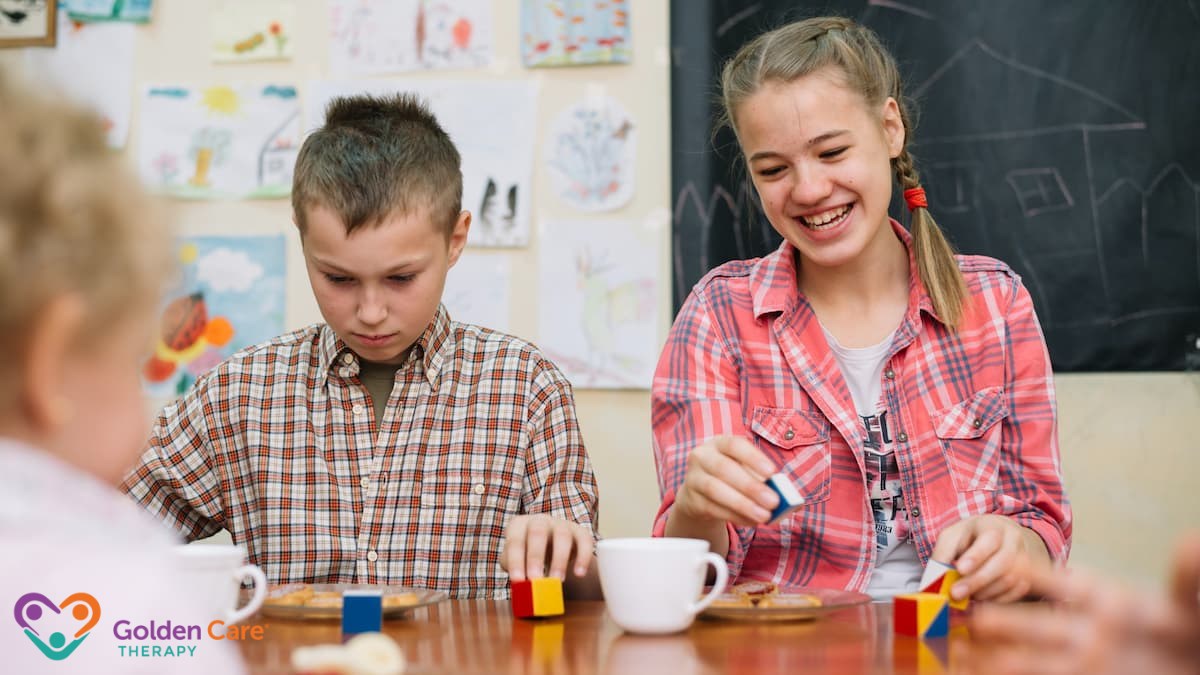
The strategies your child learns in social skills sessions need reinforcement at home. Parent involvement in ABA therapy for social development includes things like practicing greetings at the dinner table. Role-playing what to say when someone is upset. Narrating social situations as they happen during TV or at the park.
Your BCBA will give you specific activities to try between sessions. These do not need to be formal. A family board game is a social skills practice session if you know what to reinforce. A trip to the park is a peer interaction opportunity with the right framework in place.
Supporting skill development through ABA at home is about being intentional in everyday moments. Not adding extra tasks to an already full schedule. You will be guided on exactly what to look for. Plus how to respond.
Frequently Asked Questions
At what age should social skills programs begin?
Social skill development can begin as early as 18 to 24 months for foundational skills. Structured group programs are typically most effective starting around age three to four. Though they benefit children of all ages.
How do I know if my child needs a social skills program specifically?
If your child struggles to initiate interactions, maintain conversations, play with peers, or respond appropriately in social situations, a social skills assessment from a BCBA can clarify the best approach.
Can social skills be taught if my child is nonverbal or minimally verbal?
Yes. Social skills go beyond verbal communication. Programs for nonverbal or minimally verbal children focus on nonverbal cues. Plus augmentative communication. Plus shared activities that do not require complex language.
How long does a social skills program typically last?
Duration varies by child and goals. Some kids participate for six months. Others benefit from ongoing group programs throughout their school years. Progress is reviewed regularly, and the program adapts accordingly.
Will social skills learned in therapy transfer to school settings?
Yes, with proper generalization planning. BCBAs design programs to promote transfer across settings. Many coordinate with school teams to support consistency. Parent coaching also plays a major role in helping skills generalize outside of therapy.
Give Your Child the Language of Connection
Every child deserves to feel connected. ABA social skills programs do not promise to change who your child is. They give your child the tools to share who they are with the world. On their own terms. At their own pace.
Golden Care Therapy offers structured social skill interventions through ABA for children at every stage of development. Their team designs individualized, evidence-based programs that build real-world interaction skills with care. With consistency too.
Contact us to learn how pediatric ABA programs for social skills can help your child connect. Communicate. Grow in confidence. In therapy and in everyday life.