

Key Points:
- Sibling relationships autism families require intentional nurturing, as brothers and sisters often carry unique emotional burdens that go unrecognized.
- Family support strategies, including sibling groups and individual attention, can significantly improve sibling adjustment and long-term family balance.
- Family therapy provides a structured space for all members, including siblings, to process their experiences and develop healthy communication patterns.
When a child is diagnosed with autism, the ripple effects reach every member of the family, including brothers and sisters who may not fully understand what is happening but feel it deeply. Siblings of autistic children often experience a complex mix of love, confusion, pride, resentment, and grief.
They may witness meltdowns, navigate unequal attention, or feel pressure to be the “easy” child. These experiences are real, and they deserve thoughtful attention.
This guide explores how autism shapes sibling relationships, what families can do to support all their children, and how resources like sibling groups and family therapy can help everyone thrive.
Families navigating these dynamics can also find support through family-centered autism therapy services designed to support the whole family unit.
Understanding the Sibling Experience in Autism Families
Research on sibling relationships in autism families reveals a nuanced picture. Many siblings demonstrate remarkable empathy, advocacy, and resilience. They often become natural supporters and defenders of their autistic brother or sister.
At the same time, studies also show elevated rates of anxiety, depression, and loneliness among siblings, particularly when families lack the support and resources to address their needs alongside those of the autistic child.
Sibling adjustment is shaped by several factors, including the severity of the autistic child’s support needs, the availability of parental attention, how openly the family discusses autism, and whether the sibling has access to age-appropriate information and support. Families that communicate openly and proactively tend to raise siblings who are better adjusted and more connected to their autistic brother or sister.
Common Emotional Challenges Siblings Face
Siblings of autistic children often carry emotional weight that adults in the family may not fully recognize. Understanding these challenges is the first step toward addressing them.
- Guilt: Many siblings feel guilty for experiencing negative emotions like frustration or resentment toward their autistic sibling. They may suppress these feelings to avoid adding to the family’s stress.
- Jealousy and competition for attention: When a significant portion of parental time and energy is directed toward the autistic child’s therapy, appointments, and crises, siblings may feel overlooked.
- Social embarrassment: Younger children may struggle to explain their siblings’ behavior to peers, and public meltdowns can be a source of profound embarrassment and confusion.
- Worry and hypervigilance: Some siblings develop anxious, caretaking behaviors, monitoring the autistic child’s emotional state and trying to prevent meltdowns or conflict.
- Grief: Siblings may grieve the relationship they imagined having with their brother or sister, particularly if communication barriers limit typical sibling bonding.
How to Meet Brother and Sister Needs Intentionally

Meeting brother and sister needs in an autism family requires planning. It is not enough to assume that the sibling is “fine” because they are not in crisis.
Consistent, one-on-one time with each child is foundational. Even 15 to 20 minutes of undivided parent attention focused entirely on the sibling, without mention of autism or therapy, can make a meaningful difference.
Practical strategies for meeting sibling needs include:
- Scheduling a weekly “sibling date” that the child can look forward to and plan
- Attending the sibling’s activities, performances, and games with full presence and attention
- Asking open-ended questions about the siblings’ feelings, friendships, and school life
- Validating difficult emotions rather than redirecting them to gratitude or perspective
- Allowing siblings to set limits on their involvement with caregiving tasks
Talking to Siblings About Autism
Age-appropriate conversations about autism are among the most powerful tools for improving sibling adjustment. When siblings understand why their brother or sister behaves differently, many of their confusing or distressing experiences begin to make more sense. Research consistently shows that siblings who have access to clear, honest information about autism demonstrate better emotional adjustment and stronger relationships with their autistic sibling.
For young children, explanations should be simple and concrete: “Your brother’s brain works differently and sometimes sounds feel really loud to him.” For older children and teenagers, more detailed explanations about sensory processing, communication, and neurodiversity can be helpful. Books written for siblings of autistic children can also be a useful starting point for family conversations.
The Role of Sibling Groups in Supporting Adjustment
Sibling groups, sometimes called “sibshops,” are structured programs designed specifically for brothers and sisters of children with disabilities, including autism. These groups provide a rare and valuable opportunity for siblings to connect with peers who truly understand their experience, free from the need to explain or justify their feelings.
Research on sibling groups shows consistent benefits, including reduced loneliness, improved emotional regulation, greater understanding of disability, and stronger sibling relationships. Groups typically combine social activities with guided conversations facilitated by trained professionals. Many hospitals, autism centers, and community organizations offer sibshops for children as young as six.
If a formal sibling group is not available in your area, online programs have expanded significantly and can provide comparable peer connection and support.
Family Therapy as a Support for the Whole System
Family therapy offers a structured, professional space where all members of the family can express their experiences, address conflicts, and develop stronger communication. In the context of autism, family therapy is not about pathologizing the family. It is about giving every member, including the autistic child, a voice in shaping a family dynamic that works for everyone.
A skilled family therapist with experience in autism can help parents address sibling resentment without dismissing it, facilitate honest conversations about family roles and responsibilities, support grieving processes that multiple family members may be experiencing, and help siblings develop their own sense of identity outside of their caregiving role.
Family therapy works best when it is approached as a proactive support tool rather than a crisis intervention. Families that engage with a therapist before tensions escalate tend to build more resilient relationships across the board.
Building Long-Term Family Balance
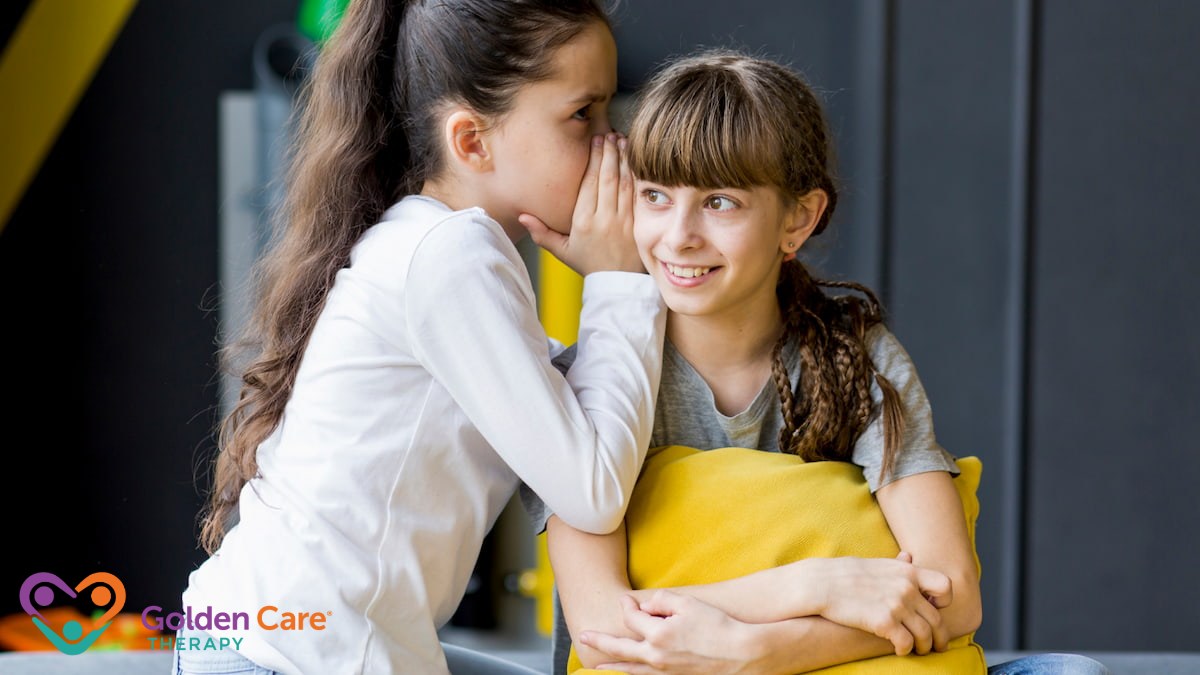
Achieving family balance in an autism family is an ongoing process, not a destination. As each child grows, their needs change. The demands of autism support evolve. Sibling dynamics shift. What works when the children are five and eight may need to be revisited when they are twelve and fifteen.
Families that build the most sustainable balance tend to share a few common qualities: they communicate openly about feelings and needs, they celebrate each child as an individual, they involve siblings in autism awareness without burdening them with caregiving, and they access professional support proactively rather than in crisis.
It is also worth remembering that many adult siblings of autistic individuals look back on their childhood with profound gratitude for the perspective, empathy, and resilience it gave them. The challenges are real, but so is the capacity for these relationships to become some of the most meaningful in a person’s life.
Frequently Asked Questions
At what age should I start talking to my child about their sibling’s autism?
As early as possible, using age-appropriate language. Even toddlers can understand simple explanations like “your sister’s brain works differently.” Early conversations normalize autism and prevent confusion from building into fear or resentment.
How do I respond if a sibling expresses resentment toward their autistic brother or sister?
Validate the feeling without judgment. Resentment is a normal response to unequal attention and disrupted family life. Acknowledging it opens the door to conversation, connection, and problem-solving, far more effectively than dismissing or correcting it.
Are there books or resources specifically for siblings of autistic children?
Yes. Titles like “My Brother Charlie” and resources from the Sibling Support Project offer age-specific guidance for children and teens. Organizations focused on autism family support often maintain reading lists specifically designed for siblings.
Can a sibling’s struggles affect the autistic child as well?
Absolutely. Autistic children are often highly attuned to emotional tension in the family. When siblings are supported, and the family dynamic is healthier, autistic children often benefit from reduced family conflict and more positive relational modeling.
When should I consider professional help for a sibling’s emotional struggles?
Seek support when you notice persistent sadness, social withdrawal, school difficulties, anxiety, or significant behavioral changes in the sibling. A therapist with experience in family systems and disability-related grief can offer meaningful support well before a crisis develops.
Strengthen Family Bonds While Supporting Every Child’s Needs
A balanced family environment supports both the child with autism and their siblings. At Golden Care Therapy, professionals guide families through strategies that improve sibling relationships with autism while respecting each child’s experience. Open communication and clear expectations help siblings feel included and understood.
Families are introduced to tools that support sibling adjustment, from shared routines to dedicated one-on-one time. Options like family therapy and sibling groups provide safe spaces for expression and connection.
Brother and sister needs are addressed with care so no one feels overlooked. Progress is built through consistency and understanding across the home. Contact us today to create a stronger, more balanced family dynamic.