

Key points
- A motivating operation is anything that changes how much your child wants a reward right now.
- The same snack or toy can matter a lot at one moment and almost nothing at another.
- Share sleep, meals, illness, and screen time with your team, and never hold back food, drink, or comfort.
Have you ever offered your child a favorite snack and watched them walk away? Ten minutes earlier, they might have happily begged for it. Nothing about the snack changed. Something about the moment did. That small shift tells your child’s team a lot.
That shift is what motivating operations in ABA explain. They are changes in the situation that make a reward worth more or worth less right now. Hunger, a long nap, or an hour on a tablet can all shift what your child wants. Therapists watch for these changes all day long.
Understanding this helps you read therapy goals, plan home routines, and see why a reward works one day and flops the next. Therapists use the idea in every single session, and families who know it can support applied behavior analysis (ABA) therapy at home with much more confidence. The ideas are simpler than the name suggests.
What Motivating Operations in ABA Mean
A motivating operation in ABA has two effects. First, it changes how strong a reward feels. Second, it changes how often your child does behaviors linked to that reward. Researchers describe both effects to explain why behavior shifts from moment to moment.
A good team starts learning what motivates your child during the first assessment. These ideas also sit underneath how ABA teaches daily skills, from brushing teeth to asking for help.
- Value effect: the reward matters more or less
- Behavior effect: your child works harder or less for it
Everyday Examples
You use these ideas all day. After a long walk, water is worth a lot. After a big meal, dessert barely tempts you. Children feel the same pull, but they may not tell you why they said no.
Establishing and Abolishing Operations
An establishing operation in ABA makes a reward worth more. An abolishing operation in ABA makes it worth less. Think of hunger before dinner and fullness after dessert. The table shows common examples:
| Moment at home | Type | What happens to the reward |
| Your child is hungry before snack time | Establishing operation | The snack is worth more, so your child asks for it |
| Your child just finished a big snack | Abolishing operation | The snack is worth less, so your child ignores it |
| Your child skipped the tablet all morning | Establishing operation | Tablet time is worth more |
| Your child used the tablet for an hour | Abolishing operation | Tablet time loses its pull |
Notice that the reward never changed. The moment did. That is why a favorite item can win one hour and lose the next. Your child is not being picky or defiant. Every motivating operation in ABA is temporary, and the situation simply shifted.
How Therapists Use ABA Motivating Operations
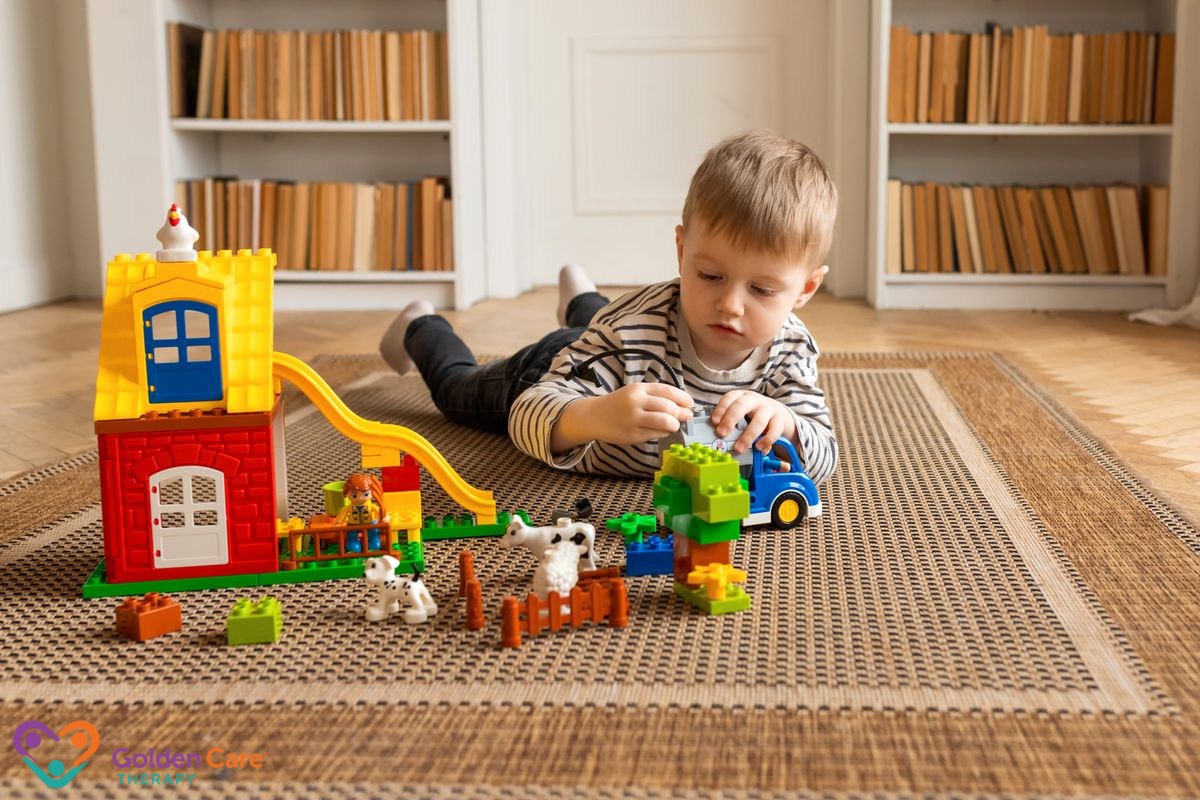
ABA motivating operations guide when and how a team teaches. Your Board Certified Behavior Analyst (BCBA) learns what your child enjoys and when. Golden Care Therapy says its therapists take time to understand what motivates each child, so the plan meets your child where they are.
What Therapists Look At
- Time since the last meal or snack
- Sleep the night before
- Recent access to the reward
- Health, pain, or mood
With those facts, a team can use motivating operations in ABA to pick a good teaching time. It can also spot a bad day early.
A new skill sticks faster when the reward matters. Before a planned snack, an establishing operation in ABA is already working, so teaching your child to ask for a cracker feels natural. Strong ABA motivating operations work looks like this every day.
- Pick teaching times when your child is alert and fed
- Rotate rewards across the week so none gets old
- Pair a new activity with something your child already loves
- Watch for signs a reward is losing its pull
Why Rewards Stop Working
Satiation happens when your child gets too much of one reward. Earlier studies with children with autism found that varied rewards work better than the same reward over and over. That is an abolishing operation in ABA at work.
Home routines show a lot about what motivates a child. If you are comparing in-home ABA therapy in Florida or ABA therapy in Indiana, ask how each team learns your child’s daily habits.
Using Motivating Operations Safely at Home
Motivation in ABA therapy never means withholding what your child needs. Food, water, sleep, medical care, and comfort are not rewards. Any ethical team protects them.
Screens, Snacks, and Timing
Free access to a favorite item right before work lowers its value. A child who just watched videos for an hour may not care about a video reward. That is an abolishing operation in ABA at work. Save screens for after practice, or choose another reward. A hungry child, in contrast, may show an establishing operation in ABA for snacks.
Teach Without Pressure
Let your child lead sometimes. When your child picks the game, motivation is already high. Short turns, quick breaks, and plenty of praise keep it that way. A calm home helps motivation in ABA therapy carry over.
Simple Home Habits
- Offer favorite items after tasks, not before
- Keep screens off right before a teaching routine
- Switch up rewards across the week
- Tell your BCBA about sleep, meals, and illness
Spotting Motivating Variables in ABA
Motivating variables in ABA include hunger, tiredness, pain, attention, and access to favorite things. A cranky, sick child may refuse every reward. That is not defiance. It is biology. If you prefer a center, the Oradell Center in New Jersey runs a full-day program for young children with autism, and families can also explore ABA therapy in New York.
Questions to Bring to Your BCBA
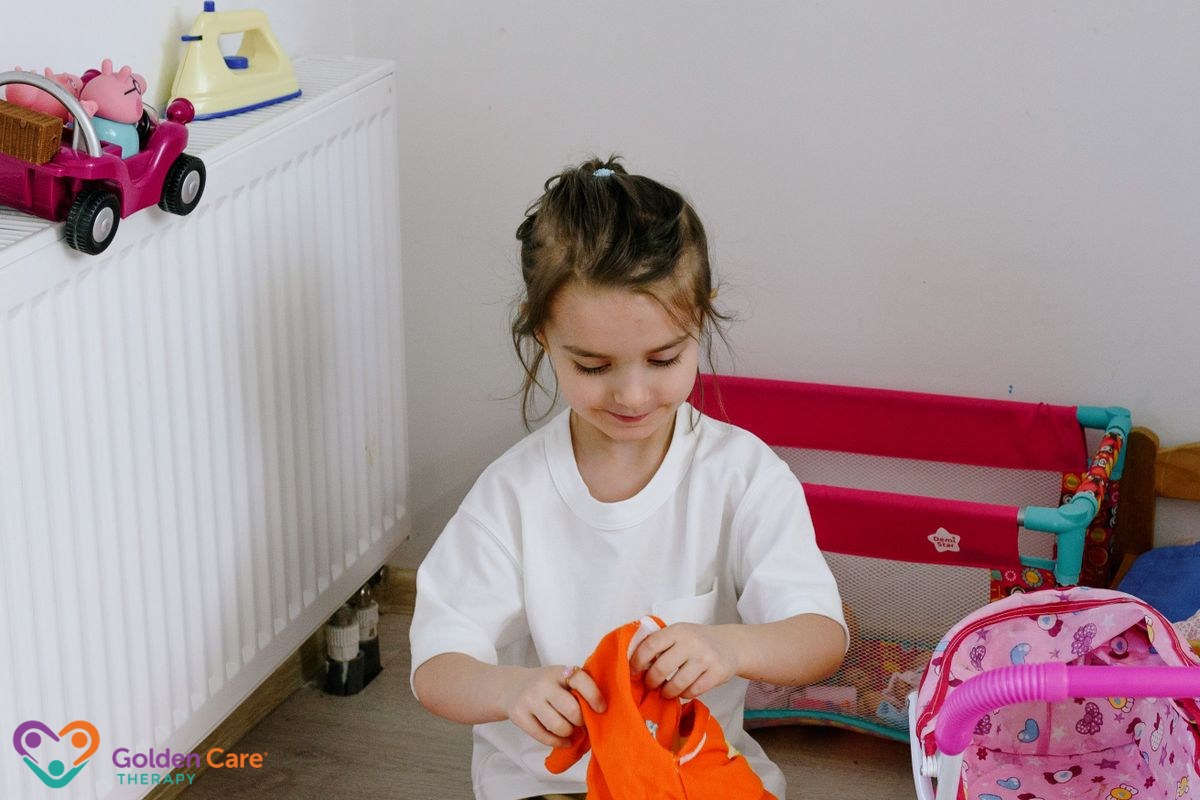
- How do you find out what my child wants most?
- How do you keep rewards fresh?
- How do you plan around meals, naps, and sickness?
- What can I do at home to support this?
Track What You See
- Time of day
- Last meal or nap
- What your child asked for
- What your child ignored
Bring those notes to your BCBA. Ask for examples from your child’s own sessions. A good BCBA explains changes in plain words, and no single reward works all day. Revisit your notes monthly, since rewards that worked in September may feel boring by November.
Use motivating operations in ABA as a conversation starter. Golden Care Therapy offers ABA therapy in New Jersey with ongoing Parent Training, so you learn simple ways to keep your child ready to learn. That is the practical side of motivating variables in ABA.
Frequently Asked Questions
What is a motivating operation in ABA?
It is a change in your child’s situation that makes a reward worth more or less right now. Hunger, tiredness, and recent access to a favorite item are common examples that therapists track.
Is a motivating operation the same as a reward?
No. A reward is what your child earns, like a snack or praise. The motivating operation is the situation that decides how much your child wants it, such as hunger, boredom, or fullness.
Do therapists withhold food to motivate my child?
Ethical teams never withhold meals, drinks, sleep, or comfort. They use timing, choice, and variety instead, like teaching before a planned snack or rotating favorite toys. Raise any concern with your BCBA immediately.
Why does my child sometimes ignore a favorite reward?
The reward may have lost its pull after too much access, or your child may be tired, sick, or full. Tell your team what happened that day so they can adjust the plan.
How can I support motivation in ABA therapy at home?
Keep routines steady, rotate rewards, and offer favorites after effort. Share changes in sleep, meals, or health with your team. Small habits like these help your child stay ready to learn.
Turn Every Moment Into a Chance to Learn
Snack time at your house is already a lesson in motivating operations in ABA. Hunger, timing, and a favorite cracker all shape what your child will work for. Once you see the pattern, you see it everywhere.
Golden Care Therapy begins with a BCBA assessment to learn what lights your child up. Registered Behavior Technicians (RBTs) then teach one-on-one, and Parent Training shows you simple ways to keep motivation steady between sessions. Your input shapes every step of the plan.
Curious what motivates your child? Reach out to us and start the conversation today. Bring a few examples from this week. Tell the team about snacks, sleep, and favorite toys, and ask how they plan to use them.