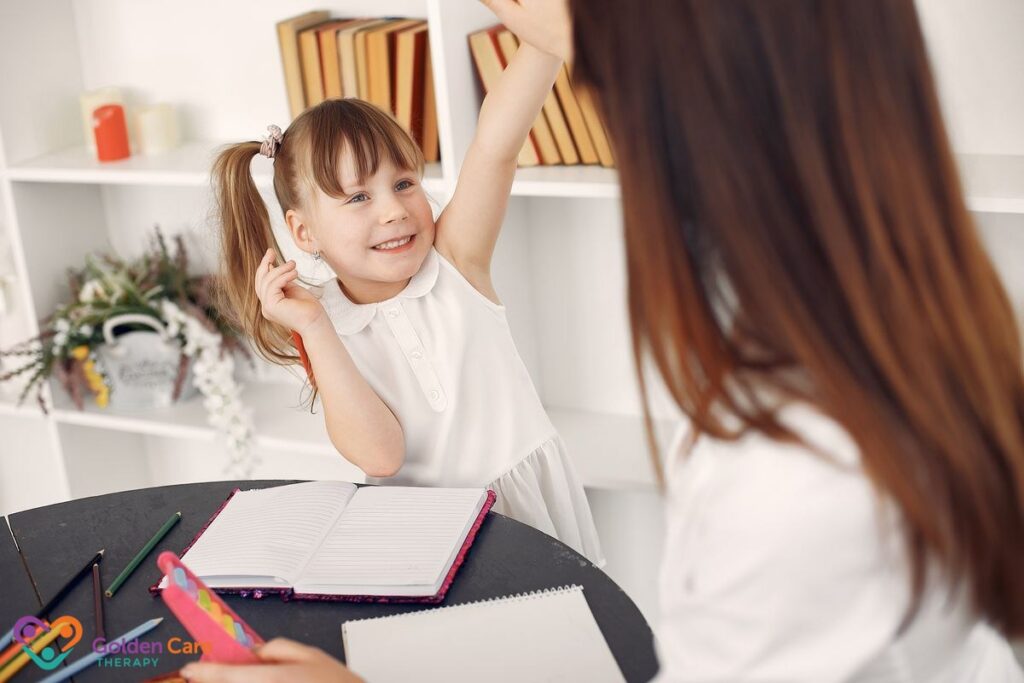

Every parent dreams of seeing their child smile, laugh, and thrive. For parents of autistic children, the question goes deeper: what makes an autistic child happy? Happiness for them is very personal, shaped by their interests, environment, and daily interactions. Research and real-life experience show it often comes from activities that match their passions, spending time in safe, sensory-friendly spaces, and engaging in meaningful social moments, whether one-on-one or in small groups. Having chances to make choices and feel in control also matters. By observing, listening, and adjusting to their world, parents and caregivers can encourage genuine joy. Happiness for autistic children isn’t a one-size-fits-all formula. It reflects understanding, connection, and respect for their individuality.
Understanding Happiness from an Autistic Perspective
Autistic children often experience the world differently. What brings joy to one child may feel overwhelming to another. Elliot Wassell (2021) surveyed 86 autistic adults and found that 67% often experience joy, 94% enjoy aspects of being autistic, and 80% experience happiness differently than non-autistic individuals. This challenges the common stereotype that autistic lives are inherently sad or joyless.
To foster engagement, it’s vital to ask: what captures your child’s attention naturally? What sparks excitement, curiosity, or pride?
Consider this example: a child might light up when exploring textures like sand or clay, while another may feel pure joy arranging colored blocks or reading a favorite book. Both activities are meaningful. Both are valid paths to happiness.
Peter Vermeulen (2014) emphasizes that happiness can be promoted by helping autistic children identify “good feelings” versus “bad feelings” and engaging in activities that reinforce those positive emotions.
Creating Engaging Environments

Engagement follows comfort and confidence. Autistic children thrive when their environment meets sensory and social needs. Small changes can make a big difference:
- Sensory-friendly spaces: dim lighting, reduced noise, and tactile toys.
- Predictable routines: knowing what happens next reduces anxiety and allows enjoyment.
- Choice-driven activities: letting children choose the order of tasks, types of games, or learning projects fosters autonomy.
- Interest-led exploration: using special interests to guide learning or social opportunities increases motivation.
In a study of four autistic young people in an educational setting, Carly Steel (2025) found that allowing children to pursue interests, like exploring textures of sticks or creating art, enhanced engagement, social connection, and emotional satisfaction. Importantly, the children felt respected when adults adapted methods to match their communication preferences.
Building Social Connections

Autistic children often crave connection but may struggle with traditional social norms. Quality matters more than quantity. Bauminger and Kasari (2000) discovered that high-quality friendships, even with few people, greatly reduce loneliness in autistic children.
To nurture social bonds:
- Offer small, structured social opportunities.
- Encourage activities where children share common interests.
- Model and practice turn-taking and other social skills gently.
- Celebrate social attempts, not just successes.
For example, two children might enjoy building LEGO sets together or collaborating on a simple art project. These moments build communication, trust, and enjoyment, without forcing a large group or overwhelming environment.
Focusing on Strengths
Helping autistic children recognize and use their strengths supports self-esteem, optimism, and engagement. Boniwell (2008) highlights that identifying character strengths boosts happiness and confidence.
Practical ways to focus on strengths:
- Create a “strengths journal” where children track what they do well each day.
- Ask friends, teachers, or family to highlight positive qualities.
- Encourage projects or hobbies where children apply these strengths.
- Develop creative narratives, like superhero stories, where the child’s abilities are celebrated.
Sample Strengths List:
Adaptability, Creativity, Curiosity, Emotional Intelligence, Humor, Integrity, Kindness, Optimism, Patience, Perseverance, Social Intelligence, Teamwork, Vitality, Wisdom.
By recognizing strengths, children gain a sense of mastery, autonomy, and satisfaction, key ingredients for happiness and engagement.
Encouraging Joy Through Interests
Hobbies and special interests are not just fun, they’re powerful tools for engagement. Victoria Honeybourne (2025) emphasizes that joy comes from activities that feel meaningful.
Examples include:
- Music: listening, singing, or playing instruments.
- Arts: painting, sculpting, or digital design.
- Nature: exploring parks, observing animals, or gardening.
- Games: puzzle-solving, building projects, or strategy games.
- Reading or storytelling: exploring topics of deep fascination.
Tracking these activities helps children identify patterns of joy. They learn what energizes them, what soothes them, and what inspires curiosity.
Promoting Autonomy and Decision-Making
Autonomy is a major factor in engagement and happiness. Autistic children feel empowered when their opinions are valued. Children thrive when adults ask for their preferences, respect their choices, and involve them in decisions, even small ones.
Practical strategies:
- Present options rather than directives: “Do you want to paint or build today?”
- Encourage self-directed problem-solving, with guidance available if needed.
- Celebrate independent achievements, from simple choices to complex tasks.
Building Resilience
Happiness isn’t just about joyful moments, it also involves managing challenges. Helping children reflect on experiences can boost resilience, confidence, and emotional well-being.
Techniques include:
- Splitting activities into manageable steps.
- Color-coding experiences (green = positive, yellow = okay, red = challenging).
- Reflecting on what worked and what can be improved.
- Encouraging children to identify coping strategies for stress or disappointment.
Blyth (2013) found that focusing excessively on “being happier” often backfires. Instead, cultivating self-awareness, confidence, and resilience promotes authentic joy.
Supporting Communication
Communication differences often affect engagement. Understanding your child’s preferred methods, verbal, written, symbols, or objects, makes interaction smoother and more enjoyable.
Tips for promoting communication:
- Use tools like picture cards, communication apps, or sign language.
- Offer structured choices and clear instructions.
- Listen actively to their ideas, stories, or opinions.
- Celebrate attempts to communicate, even if imperfect.
Wassell (2021) emphasizes that active listening, not just responding, validates the child’s perspective, increasing engagement and happiness.
Monitoring Emotional Well-Being
Even happy autistic children may experience anxiety, sensory overload, or frustration. Monitoring emotional states allows timely support:
- Observe body language, tone, or facial expressions.
- Track patterns of joy and stress across different environments.
- Introduce mindfulness, breathing exercises, or calming routines.
By understanding their emotional landscape, adults can create moments that maximize comfort, confidence, and engagement.
Table: Example Engagement Activities for Autistic Children
| Area | Activity Example | Outcome |
| Sensory Play | Sand, clay, water beads | Calm, joyful, and focused |
| Creative Arts | Painting, building, digital design | Expression, pride, and autonomy |
| Social Interaction | Small-group LEGO, storytelling | Connection, trust, and communication |
| Nature | Garden walks, observing wildlife | Curiosity, peace, and engagement |
| Hobbies & Interests | Music, reading, puzzles | Motivation, satisfaction, joy |
| Reflection & Resilience | Color-coded activity logs | Self-awareness, emotional regulation |
FAQs: How to Make Autistic Children Happy & Engaged
- Can an autistic child have intense “happy-meltdowns” that look like distress?
Yes! Sometimes an autistic child shows overwhelming joy that can look intense to others. They might flap their hands, jump, or make loud noises. These are often called “happy stims” or “autistic joy bursts.” The difference is inside: they feel euphoria, not fear or frustration.
- Can seeking alone time actually help an autistic child connect socially?
Yes. Social interaction can be exhausting because it takes extra effort to read emotions, process language, and manage sensory input. Alone time lets them recharge. After a break, they are often more relaxed, focused, and genuinely ready to engage with others.
- Can restricted interests become the main tool for teaching life skills?
Absolutely! A strong interest is a superpower for focus and learning. If a child loves trains, you can teach math by “buying” train parts, history by exploring famous railways, and social skills through train discussions. Their passion drives learning naturally.
- How can I validate my child’s joy without saying it’s “too much”?
Try mirroring and positive language. Instead of “Calm down,” say, “I see you’re really excited! Your brain is having a big, happy feeling!” This shows you notice their excitement while giving them words to describe their emotions.
- Why might a child feel happy even when facing a hard task?
Autistic children often feel happiness from mastery and predictability. Even if a task is tough, being deeply engaged or making progress toward a goal can bring real joy. Their “happy” often comes from focus, accomplishment, or solving a challenge.
Unlocking Joy Through Individualized Understanding

Happiness and engagement for autistic children begin with understanding, respect, and celebration of their individuality. At Golden Care, we focus on each child’s interests, strengths, and autonomy to help them live with greater joy. Across Indiana, families have seen how small, thoughtful changes can turn daily routines into moments of real happiness.
When we ask, “What makes an autistic child happy?” the answer is unique to every child. Embracing those differences allows each one to thrive in their own way. Golden Care listens, guides, and supports families in building strategies that honor every child’s uniqueness.Every child deserves to feel confident, engaged, and valued in every moment. To explore practical ways to bring more joy and meaningful engagement into your child’s life, reach out to us today. We’re here to help your family take the next step toward a brighter, more fulfilling journey.