
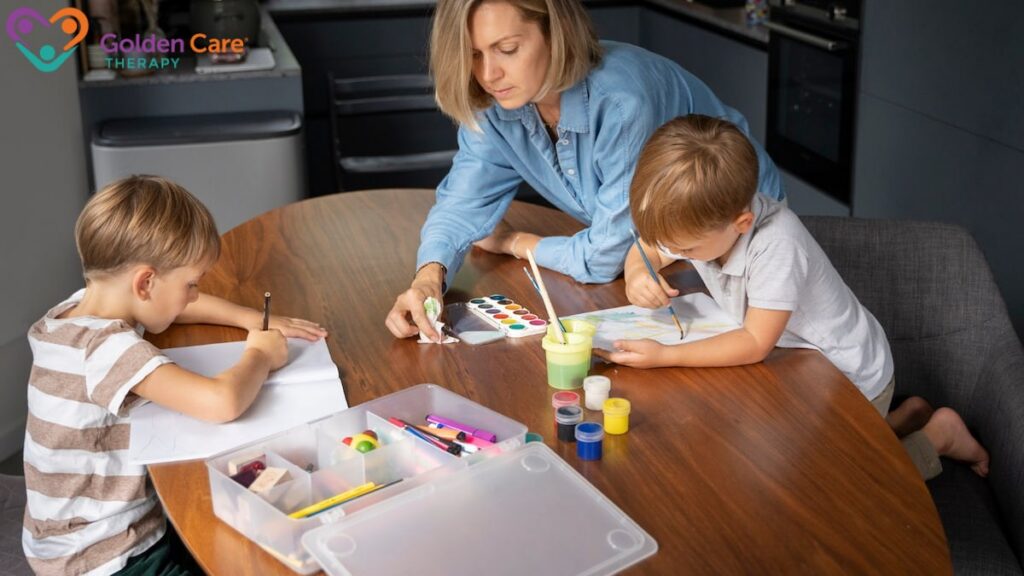
Strong progress happens when home and school work together with clarity and shared goals. Many families want to understand how structured ABA teaching methods align with classroom instruction. Approaches like discrete trial training and DTT therapy focus on breaking skills into small, measurable steps, which can complement academic instruction when properly coordinated.
Open communication allows teachers to understand how strategies such as errorless learning or intensive teaching ABA support focus and retention. When collaboration is intentional, therapy tools do not stay at the table time therapy setting. They extend into reading groups, math lessons, and classroom routines. Consistency across environments strengthens learning and helps children feel supported from every direction.
Understanding the Teacher’s Role and Daily Reality
Before initiating collaboration, it helps to understand the teacher’s environment. Most teachers manage large classrooms, diverse learning needs, administrative tasks, and limited time. Many are deeply committed to helping students succeed, but they operate within structured schedules and district policies.
Recognizing this context helps you approach communication with empathy rather than frustration. When conversations begin from a place of shared goals, your child benefits.
Teachers may also use specialized instructional methods, including:
- Discrete trial training in special education settings
- DTT therapy sessions integrated into classroom routines
- Small group academic interventions
- Visual schedules and reinforcement systems
- Behavior plans tied to Individualized Education Programs
You do not need to be an expert in every strategy. You do need clarity about how your child is being supported and how you can reinforce similar expectations at home.
Establishing a Strong Foundation Early
The best collaborations begin before problems arise. Introduce yourself early in the school year, express your commitment to teamwork, and share important information about your child.
Helpful details to provide include:
- Your child’s strengths and interests
- Known triggers or challenges
- Communication preferences
- Previous successful strategies
- Relevant therapy supports outside school
If your child receives interventions such as intensive teaching ABA or targeted skill instruction, briefly explain what that looks like. For example, if your child is working on requesting needs or tolerating transitions, let the teacher know what language or cues are effective at home.
Keep communication concise and respectful. Teachers appreciate clarity and partnership rather than long explanations filled with technical language.
Communicating Clearly and Consistently

Consistent communication prevents misunderstandings and reduces stress for everyone involved. Decide together how updates will be shared. This might include email check ins, communication notebooks, or brief phone calls.
Effective communication includes:
- Being specific about concerns
- Asking for examples rather than making assumptions
- Sharing observations from home
- Following up after meetings
For example, instead of saying, “My child hates math,” you might ask, “I noticed frustration during math homework. Are there particular concepts causing difficulty at school?”
If your child participates in mass trial teaching or short, repeated practice sessions at school, ask how these look in the classroom. You may be able to replicate brief practice moments at home in a playful way without overwhelming your child.
Remember that communication should feel collaborative, not confrontational. Use phrases like “How can we support this together?” rather than “Why isn’t this working?”
Aligning Goals Between Home and School
Children thrive when expectations are consistent. Mixed messages create confusion and slow progress. When teachers and families align goals, children gain clarity and confidence.
Start by reviewing academic and behavioral objectives. If your child has an Individualized Education Program, ask for clear explanations of measurable goals. Break larger goals into smaller steps that can be supported at home.
For instance, if the classroom is working on:
- Independent task completion
- Following two step directions
- Increasing peer interaction
You can reinforce these goals through everyday routines. During dinner, practice following two step directions. During play, encourage short peer interactions with siblings or friends.
If the classroom uses errorless learning strategies to reduce frustration and build confidence, ask how prompts are delivered. At home, offer supportive cues before mistakes occur, gradually reducing help as your child gains independence.
Alignment does not mean duplicating school exactly. It means reinforcing similar expectations in a natural, family friendly way.
Navigating Behavioral Concerns Together
Behavior is communication. When challenges arise, collaboration becomes essential. Instead of focusing solely on consequences, work with teachers to understand patterns and triggers.
Ask constructive questions:
- When does the behavior typically occur?
- What happens right before it?
- How does the staff respond?
- What seems to help?
If your child participates in table time therapy or structured work sessions at school, behavioral challenges may emerge during transitions or sustained attention tasks. Understanding this context allows you to practice similar transitions at home in shorter, manageable bursts.
Avoid framing discussions as blame. Replace statements like “The classroom is too overwhelming” with “How can we make transitions more predictable?”
Consistency in response matters. If a teacher uses visual support or specific phrasing, try to mirror those cues at home. Predictability reduces anxiety and increases success.
Participating Actively in Meetings
School meetings can feel intimidating. Preparation helps you stay focused and confident.
Before attending:
- Write down your questions
- Review previous reports
- Identify top priorities
- Bring relevant documentation
During the meeting:
- Ask for clarification when needed
- Request examples of progress
- Confirm next steps in writing
- Take notes
You are an equal member of the team. Your observations at home provide valuable insight that teachers cannot see during school hours.
If specialized instruction such as DTT therapy is part of your child’s program, ask how data is collected and how progress is measured. You do not need technical details, but you should understand how success is defined and monitored.
When meetings feel overwhelming, remember that your calm presence models advocacy for your child.
Supporting Academic Growth at Home

Collaboration extends beyond meetings and emails. Daily routines at home reinforce classroom learning.
Practical ways to support academics include:
- Establishing consistent homework routines
- Breaking tasks into manageable steps
- Using visual schedules
- Offering praise for effort
If your child benefits from discrete trial training techniques at school, you can adapt small pieces of that structure at home. For example, present one clear question, wait for a response, provide immediate feedback, and celebrate success.
Keep sessions brief and positive. Learning at home should not feel like punishment. Focus on building confidence rather than perfection.
For children receiving intensive teaching ABA, balance structured practice with natural learning opportunities. Cooking together can reinforce following directions. Grocery shopping can build communication skills. Everyday moments often teach more than formal drills.
FAQs
How often should I communicate with my child’s teacher?
Aim for regular but reasonable communication, such as brief weekly updates or as needed for concerns. Establish a schedule that supports collaboration without overwhelming either party.
What if my child’s teacher seems too busy to respond?
Keep messages concise and focused. If concerns persist, request a scheduled meeting. Structured communication often works better than informal, rushed conversations during transitions.
Should I replicate school strategies exactly at home?
Not necessarily. Align with core goals and approaches, such as reinforcing structured ABA teaching, but adapt them to fit your family routines naturally and comfortably.
How can I discuss behavioral problems without sounding critical?
Use neutral language and specific examples. Ask collaborative questions like “What patterns are you noticing?” rather than assigning blame or making assumptions.
What if we disagree about an instructional approach?
Request clarification, ask for data or examples, and suggest trial periods for alternative strategies. Keep the focus on measurable progress and shared goals for your child.
When Home and School Move in Sync, Progress Speaks Louder
Collaboration transforms effort into measurable growth. At Golden Care Therapy, we guide families in building confident communication with educators so strategies align across settings. Structured ABA teaching techniques, including DTT therapy and supportive prompting, can be shared with teachers in ways that complement classroom instruction.
Children benefit when expectations remain consistent between therapy sessions and school routines. Therapists help parents translate progress into practical updates that educators can apply throughout the day.
Families across Georgia notice stronger focus and smoother transitions when everyone works from the same plan. Clear communication builds trust, and trust builds results. Partner with Golden Care Therapy to strengthen your child’s learning team.