Blog

How Vestibular Dysfunction Affects Kids With Autism

Many children with autism experience sensory challenges that affect how they interact with the world. One of the less commonly discussed but profoundly impactful sensory issues is vestibular dysfunction, which can sometimes lead to a shutdown when the sensory input becomes overwhelming. The vestibular system, which is located in the inner ear,

Read More

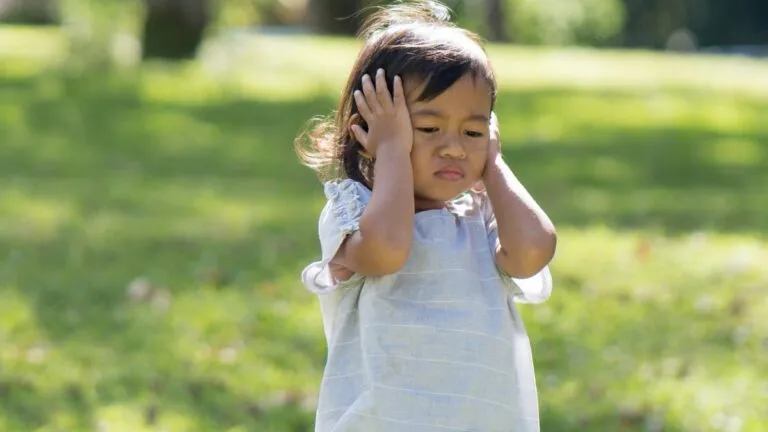
Why Do Autistic Children Cover Their Ears?

Loud noises, bustling crowds, or even the hum of a refrigerator can feel overwhelming to some autistic children. One moment, everything seems fine, and the next, they’re covering their ears, shutting out a world that suddenly feels too loud. It’s not just about volume — certain sounds can be sharp,

Read More

Meltdown vs. Shutdown in Children With Autism Explained

Understanding common triggers can help caregivers better support individuals with autism. Meltdowns and shutdowns are both responses to overwhelming sensory experiences or emotional stress. Recognizing these triggers can be essential in distinguishing between a meltdown and a shutdown, as both require different coping strategies and support mechanisms. Understanding sensory processing and common triggers helps

Read More

7 Ways to Build Confidence in a Child with Autism

Confidence is an important part of a child’s emotional well-being, shaping how they interact with the world, learn new skills, and develop relationships. For children with autism, building confidence can be a unique challenge, often influenced by sensory sensitivities, social difficulties, and struggles with communication. However, with the right support and

Read More

How to Help Your Autistic Child Make Friends

Friendship is a vital part of childhood, shaping a child’s sense of belonging, self-worth, and happiness. For autistic children, making friends can sometimes be a challenge due to differences in social communication, sensory sensitivities, or difficulties understanding social norms. However, with the right guidance, support, and patience, autistic children can build

Read More

What Rewards Work Best for Autistic Children

Rewards play a crucial role in encouraging positive behavior and promoting learning among autistic children. They provide incentives for engagement, compliance, and skill development. For children who engage in self-stimulatory behaviors like hand rubbing, rewards can be used to gradually shape alternative behaviors or reinforce positive coping strategies. By reinforcing desired

Read More