
Key Points:
- ABA therapy for aggression focuses on understanding why the behavior happens before creating a plan. Behavior always has a function.
- Behavior intervention plans built on functional analysis replace aggression with appropriate communication. They build coping strategies too. Not punishment.
- Families learn to respond consistently to aggressive behavior. That is as important as the therapy itself in reducing frequency over time.
Aggression in autistic children is one of the most stressful things a family can experience. Hitting. Biting. Throwing. Screaming. These behaviors are hard to watch. Even harder to manage. What is important to know is that aggression is rarely random. There is always a reason.
Even when that reason is not obvious. ABA therapy for aggression starts there. With understanding.
This article walks you through how behavior analysts approach ABA therapy for challenging behavior. It also covers what strategies make the biggest difference. In sessions and at home. If you are looking for practical answers, including managing meltdowns, this guide is for you.
Why Aggression Happens: Understanding the Function of Behavior
Before any strategy can be effective, the behavior has to be understood. Functional behavior analysis is the process behavior analysts use to figure out why a behavior is happening. Every behavior serves a function. For autistic children, aggression typically falls into one of four categories:
- Escape or avoidance: Getting out of a demand or an uncomfortable situation
- Attention: Getting a response from others, even if that response is negative
- Access to tangibles: Getting a preferred item or activity
- Sensory stimulation: The behavior itself feels regulating or releasing
When a child cannot communicate what they need through words or functional behavior, they use whatever works. Aggression works. It gets a fast, reliable response. The goal of ABA therapy for aggression is not to eliminate the child’s ability to express themself. It is to teach them a better way to get the same result.
Understanding function before treatment is what separates ABA from approaches that simply punish or suppress behavior without addressing its root cause. What drives behaviors shapes every decision a good BCBA makes.
How Behavior Intervention Plans Address Aggression
Once the function of behavior is identified, a BCBA creates a formal behavior intervention plan (BIP). This document outlines exactly how staff and caregivers should respond to the aggressive behavior. What to do to prevent it before it starts. What skills to teach as replacements.
The BIP has three main components:
Antecedent Strategies (Prevention)
These are changes made to the environment or routine that reduce the likelihood of aggression happening in the first place. For a child who hits when tasks are too hard, the antecedent strategy might be adjusting the difficulty level. For a child who bites when they are overwhelmed by noise, it might involve sensory accommodations during high-stimulation settings.
Antecedent strategies are powerful. They reduce the number of times the child needs to use aggression to communicate. Fewer triggers mean fewer incidents.
Teaching Replacement Behaviors
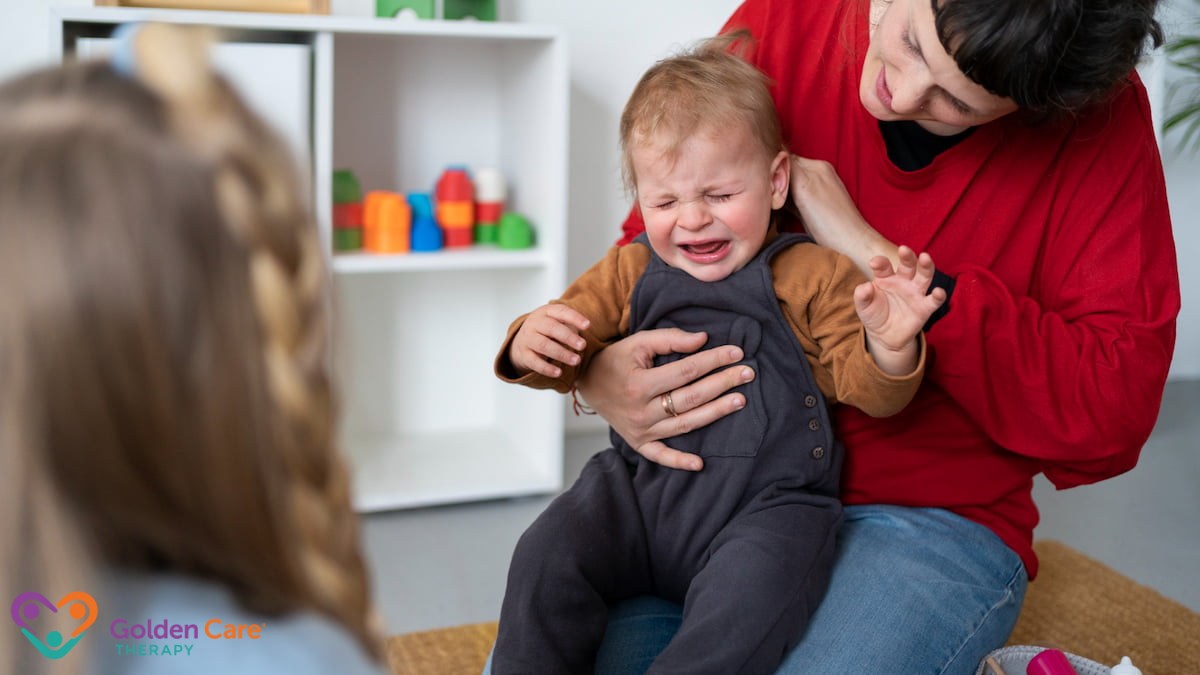
This is the most important part. The plan identifies a replacement behavior. Something your child can do instead of aggression that serves the same function. If a child hits to escape a task, they might be taught to hand over a “break” card instead. If a child bites to get attention, they might learn to tap someone’s arm.
The replacement behavior must be easier and more efficient than the aggressive behavior. If it is harder to use or gets a slower result, your child will not use it. Skill-building strategies through ABA make sure the new behavior actually works for the child.
Consequence Strategies
These define exactly how everyone in the child’s life should respond when aggression occurs. They also define how to respond when the replacement behavior is used. Consistency is critical. If one parent gives in after a tantrum and the other holds firm, the behavior will persist. Because it works sometimes.
This is where positive reinforcement in ABA plays a central role. Every time your child uses the replacement behavior, that behavior gets rewarded immediately. Meaningfully too. Over time, the replacement behavior increases. The aggression decreases.
Emotional Regulation Through ABA
Many children who are aggressive are not trying to be difficult. They are overwhelmed. Emotional regulation through ABA teaches children to recognize how they feel. It also teaches them to use coping strategies before they reach a breaking point.
Some strategies that work well include:
- Using visual emotion scales so children can identify and communicate their level of upset
- Teaching coping skills during calm moments. Not crises
- Creating visual schedules that reduce uncertainty around transitions
- Building in frequent breaks before the child reaches overwhelm
These skills take time to develop. They create a lasting impact, though. A child who learns to regulate their emotions early has far better outcomes in school. In relationships. Across all of life’s demands.
ABA Therapy Planning: Setting Realistic Expectations
When families start pediatric ABA therapy for aggression, they often want to know how quickly things will improve. The honest answer is that it depends. Some kids show significant improvement within a few weeks. Others take months of consistent work.
What matters most is consistency. ABA therapy planning specifies how many hours per week of therapy are needed. It also specifies how caregivers need to respond at home. The two have to work together.
Aggression often gets worse before it gets better. This is called an extinction burst. It happens when a behavior that has always worked suddenly stops working. Knowing about this in advance prevents families from giving up during the hardest part of the process. Your BCBA will prepare you for this. They will support you through it.
Child Behavior Support: What Families Can Do Right Now
You do not have to wait until a formal plan is in place to make changes at home. There are things you can start doing today.
Here are evidence-informed steps for child behavior support at home:
- Stay calm during incidents. Your emotional state directly influences your child’s state.
- Do not give access to the desired item during or immediately after aggression. That reinforces the behavior.
- Track patterns. Behavior monitoring logs can support this.
- Praise heavily whenever your child expresses frustration in any appropriate way.
- Give more choices throughout the day to reduce power struggles.
Early Intervention ABA: Starting Before Patterns Become Entrenched
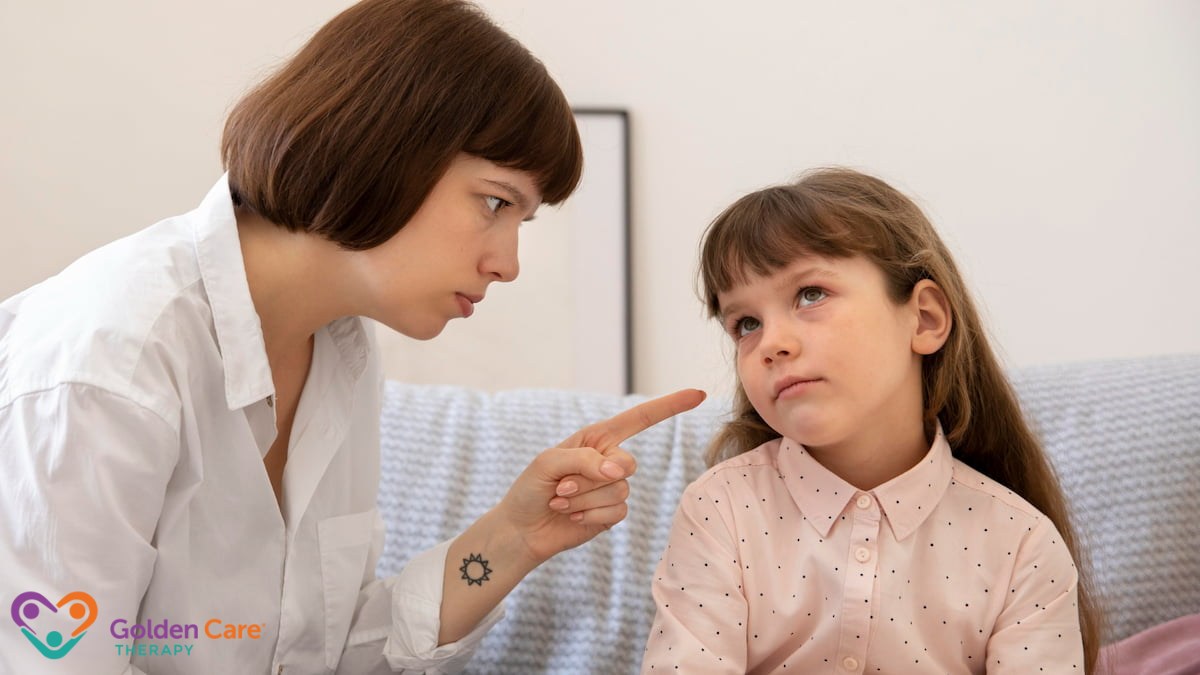
Addressing aggression early matters enormously. A three-year-old who hits when frustrated is very different from a ten-year-old who has been using aggression for seven years. The behavior becomes more practiced. More effective from the child’s perspective. Harder to replace over time.
Accessing early intervention ABA when aggressive behavior is first emerging gives the intervention the best chance of success. It also prevents secondary problems. Like the child being excluded from school programs. Like siblings becoming fearful. Like parents burning out from constant crisis management.
If your child is showing early signs of challenging behavior, even before the behavior is severe, reaching out for ABA support guidance now is the right call.
Frequently Asked Questions
Is ABA therapy for aggression the same as punishment?
No. ABA does not use punishment as a primary strategy. The focus is on understanding behavior. Preventing triggers. Teaching replacement skills through positive reinforcement. Punishment-based approaches are not recommended. They are not part of ethical ABA practice.
What if my child’s aggression is dangerous? Is ABA still appropriate?
Yes. It may be urgently needed. If a child is injuring themselves or others, a BCBA can develop a safety plan alongside the behavior intervention plan. Some cases may require additional consultation with a psychiatrist.
How long does it take for aggression to decrease with ABA?
Most families see some improvement within 8 to 12 weeks of consistent implementation. Significant reduction typically takes three to six months. Though this varies widely based on the child. Also based on how consistently the plan is followed at home and in therapy.
Do I need a diagnosis for my child to receive ABA for aggressive behaviors?
Most insurance plans require an autism diagnosis for ABA coverage. Some children receive ABA under other diagnoses. Your BCBA or a patient services team can help you understand what applies in your state.
Can ABA therapy make aggression worse?
If implemented incorrectly, any intervention can cause problems. This is why working with a BCBA matters. Not just reading strategies online. A qualified clinician builds a plan based on your specific child. Not a generic template.
Fewer Meltdowns Start With the Right Plan
Aggressive behavior is not a character flaw. It is not something your child chooses. It is a communication problem with a behavioral solution. ABA therapy for aggression builds that solution from the ground up. Starting with understanding. Ending with real skill development.
Golden Care Therapy specializes in behavior intervention for children with challenging behaviors. Their team of BCBAs and therapists builds individualized behavior intervention plans grounded in assessment. Not guesswork.
Contact us to learn how pediatric ABA therapy can help your child move from frustration to communication. It gives your whole family a calmer, more connected daily life.