Key points:
- Center-based ABA therapy vs in-home ABA therapy comes down to structure, generalization needs, and your family’s daily routine.
- In-home ABA therapy vs center-based ABA therapy each offer real advantages depending on your child’s age and personality.
- Choosing the right ABA therapy delivery model often means trying one setting first, then adjusting based on results.
Picking a therapy setting feels like a big decision, and honestly, it kind of is. If you are weighing center-based ABA therapy vs in-home ABA therapy, you are not alone in feeling stuck on which one fits.
This guide breaks down center-based ABA therapy vs in-home ABA therapy in plain terms, covers the ABA therapy setting comparison parents actually care about, and helps you think through choosing the right ABA therapy delivery model for your specific child.
What Center-Based ABA Therapy Actually Looks Like
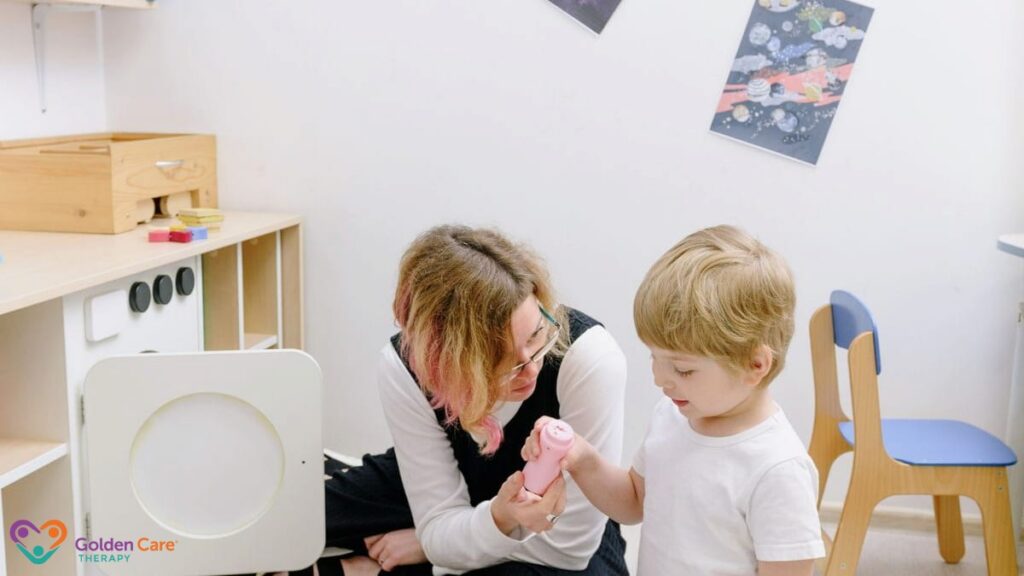
Center-based ABA therapy happens at a dedicated clinic, usually with multiple therapists and structured rooms built for teaching specific skills. Your child works with a consistent team in an environment designed around learning.
Peer interaction happens more naturally here since other children are often present too. Structured routines, predictable schedules, and built-in supervision are some of the clearest advantages of this setting.
Who Tends to Do Well in a Center
Kids who thrive on routine, need more intensive peer practice, or benefit from reduced home distractions often do well at a center. Learning to take turns and share tends to happen more organically when other kids are part of the daily mix.
What to Expect Logistically
Expect regular drop-off and pick-up, a set schedule each week, and less flexibility around sudden changes. Some families find the drive worth it for the structure it provides. Ask the clinical team running the program how staff consistency works, since seeing the same therapists regularly matters more than most parents expect going in.
What In-Home ABA Therapy Actually Looks Like
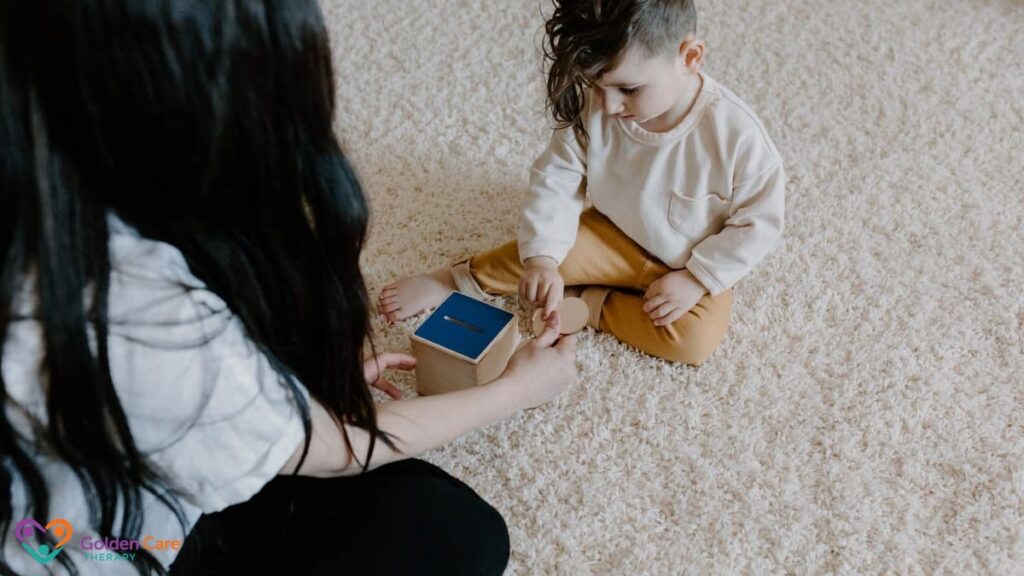
In-home ABA therapy brings a therapist directly into your child’s everyday environment. Skills get practiced where your child actually lives, eats, and plays, which often speeds up how quickly those skills transfer to daily life.
Parents also get more direct coaching since sessions happen in the same space they manage every day. That closeness has real value, though it also means less separation between therapy time and regular family life.
Who Tends to Do Well at Home
Younger children, kids who struggle with transitions, or families juggling multiple providers often lean toward home-based sessions. Practicing new skills inside everyday routines becomes much easier when therapy already happens in that same space.
What to Expect Logistically
Expect a therapist arriving at your home on a set schedule, some rearranging of your living space during sessions, and more flexibility if plans shift at the last minute.
ABA Therapy Setting Comparison at a Glance

Here is how the two settings stack up on a few common concerns.
- Structure: centers offer more built-in routine, homes offer more flexibility
- Peer exposure: centers provide natural peer interaction; homes typically do not
- Generalization: home sessions often transfer to daily life faster
- Travel: centers require a commute, homes require none
- Distractions: centers minimize home-based distractions, and homes require managing them directly
- Supervision: centers usually have more staff on site at once
Neither list makes one setting universally better. It depends entirely on what your child needs most right now.
Both settings can use the same range of prompting strategies to teach a skill. The setting changes where that teaching happens, not the underlying method behind it.
How Generalization Differs Between Settings
Generalization means your child can use a skill outside of where they first learned it. Natural environment teaching leans on real settings by design, which gives home-based therapy a natural head start on this specific goal.
Center-based programs address generalization too, often through planned outings or by rotating locations within the clinic itself. It just takes a more deliberate, extra step compared to therapy that already happens at home.
Cost Differences Between the Two Settings
Pricing varies by provider more than by setting alone, though travel time for in-home therapists sometimes factors into rates. Ask directly whether home visits carry any added fee compared to clinic sessions before assuming one option is automatically cheaper.
Figuring out how many hours your child actually needs matters more for your total cost than the setting itself in most cases.
A Hybrid Approach Worth Considering
Some families do not have to choose only one. A blended plan using both center and home sessions gives kids peer exposure and real-world practice in the same week.
This works especially well when a child is building independent life skills that need practice in more than one environment to really stick.
Questions to Ask Before Choosing a Setting
- How does the provider handle transitions between settings if we switch later?
- What does a typical session look like in each option
- How is progress tracked differently between home and center sessions
- Does the team coordinate with the school or other therapies, either way
Best ABA Therapy Setting for Autism by Age
Younger toddlers often benefit most from home-based sessions since routines matter so much at that age. School-age kids preparing for classroom settings sometimes benefit more from center-based practice, since it mirrors the group dynamics they will face at school.
There is no universal answer that fits every age group perfectly. Sensory needs also play a role, since some children regulate better in a quieter home environment while others do fine with the added stimulation of a busier clinic.
Finding Center-Based ABA Therapy Near You
Searching for center-based ABA therapy near me usually turns up more results in larger metro areas. Families in Florida and Georgia often have several center options within a reasonable drive, while more rural areas may lean toward home-based care simply due to limited center availability nearby.
Check the full list of areas served to see what options exist near your specific city before committing to either setting.
Getting Started With Either Option
Whichever setting you lean toward, a clear explanation of the intake process should come before any commitment. Understanding the general overview of how ABA therapy works also helps you ask sharper questions, regardless of which setting you eventually choose.
How Families Compare Notes Across States
Parents often ask other families outside their own state what setting worked best for them, and the honest answer is that it depends more on the child than the region. The same setting debate plays out for families in New Jersey and New York just as much as it does anywhere else.
What tends to matter more than location is how closely a provider tracks progress and adjusts the plan when something is not working. A setting that looks great on a brochure means little if the actual sessions do not fit your child’s temperament.
What Happens During a Typical Session in Either Setting

Sessions in both settings usually follow a similar rhythm, even though the surroundings look different. Expect a brief warm-up, a stretch of skill-building work, a short break, and a wrap-up where the therapist shares quick notes with you.
The biggest visible difference tends to be pacing. Center-based sessions sometimes move faster since therapists are used to a tighter clinic schedule, while home-based sessions often allow more natural pauses built around your child’s actual mood that day.
Frequently Asked Questions
Is center-based ABA therapy better than in-home therapy?
Neither option is universally better. It depends on your child’s age, personality, and specific goals for generalization and peer interaction.
Can we switch between settings later if the first choice is not working?
Yes. Many providers allow families to shift settings as needs change, though ask about this flexibility before signing any long-term agreement.
Does insurance cover both center-based and in-home ABA therapy?
Most insurance plans cover both settings, though some have separate rules or caps for each. Always confirm directly with your specific plan.
Which setting works better for very young children?
Home-based therapy often works well for toddlers since routines and comfort matter so much at that age, though every child responds differently.
How do I know which ABA therapy option fits my child best?
Start with an honest conversation with your provider about your child’s temperament, your daily schedule, and specific goals for the coming months.
Right Setting, Real Progress
The best therapy setting is the one your child actually shows up ready for, not the one that looks best on paper. Center-based structure and in-home flexibility both offer real value depending on what your family needs this season.
Golden Care Therapy helps families weigh both options honestly, without pushing one setting just because it is easier to schedule. Our team builds a plan around your child, not a one-size-fits-all format.
Contact us to talk through center-based ABA therapy vs in-home ABA therapy and find the setting that actually fits your family.