

Key points:
- The ABA-to-school transition in NYC involves IEP meetings. It involves new placements. It involves reduced therapy hours. Without a plan, that gets overwhelming fast.
- Knowing your rights under IDEA helps you push for the right special education services. It helps you push for the right supports inside NYC schools, too.
- A smooth transition keeps your kid’s gains from ABA. It sets them up for real progress in their new school environment.
Your kid has been making real progress in ABA therapy. They’ve hit milestones you weren’t even sure were possible. Now the school years are creeping up. The conversation is shifting to what comes next.
If you’re a parent navigating the ABA therapy to IEP transition in New York, you’re facing a shift many families find both exciting and kinda terrifying. This guide helps you understand what’s coming.
It covers what you’re entitled to. It shows how to make the handoff as smooth as you can. You can also explore ABA therapy in New York services to know what your kid’s program might look like as they approach school age.
When Does the ABA-to-School Transition Happen?
For most families, the autism school transition in New York City happens around their kid’s third birthday. Under federal law, called IDEA, kids with disabilities get the right to a free appropriate public education starting at age 3.
Before age 3, your kid may have gotten services through the Early Intervention program. We just call it EI. Around the time they turn 3, a transition meeting happens. The team decides if school-based special education makes sense. This process moves you from EI to the Committee on Preschool Special Education, or CPSE. That’s your entry point into the NYC school system.
If your kid is already school-age and getting ABA outside of school, the transition looks a little different. You might reduce ABA hours. You might add school-based support. You might fully switch to an IEP-only model. Either way, this shift takes careful planning.
Understanding the IEP: Your Child’s Roadmap in School
An Individualized Education Program, or IEP, is a legally binding document. It lays out your kid’s current performance levels. It lists annual goals. It spells out the specific services the school district will provide. It’s the foundation of your kid’s special education experience.
For families transitioning off ABA therapy in New York, the IEP replaces the ABA treatment plan. It becomes the governing document for your kid’s support. The goals your kid worked on in ABA, like communication or social skills, can absolutely show up in the IEP. They should show up in the IEP.
Key IEP components that matter most for autistic kids:
- Present Levels of Performance: a description of your kid’s current abilities across communication. It also covers behavior. It covers academics.
- Annual Goals: Measurable targets your kid should reach within the year
- Related Services: supports like speech therapy or occupational therapy. Counseling falls here, too
- Classroom Placement: The setting where your kid will get instruction. It ranges from inclusion to specialized classrooms
- Behavior Intervention Plan, or BIP: If behavior is a major concern, a BIP outlines strategies and responses
IEP Services in Brooklyn for Autism
If your kid is in Brooklyn, IEP services in Brooklyn for autism run through the local CPSE or CSE. CSE stands for Committee on Special Education. Which one applies depends on your kid’s age. Brooklyn families can also explore what dedicated ABA services in Brooklyn, New York, look like before school placement. The same services work alongside school placement, too.
Brooklyn has a wide range of special education settings. Integrated Co-Teaching classrooms, which we call ICT, are one option. District 75 specialized programs are another. Your kid’s placement is based on their needs. It’s never a one-size-fits-all thing.
ABA Therapy for School-Age Children in NYC: What Changes
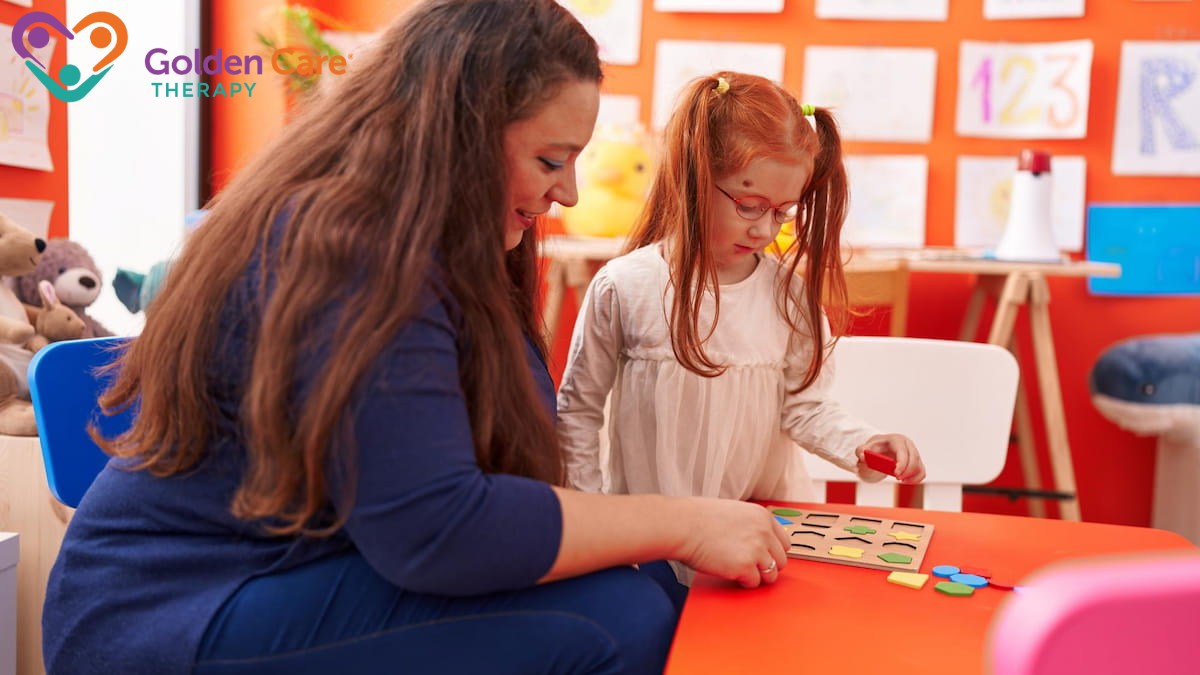
When kids enter the NYC school system, ABA therapy for school-age children in NYC doesn’t always stop entirely. Lots of families keep doing ABA after school hours. Some do it on weekends. This is especially common if the kid has significant support needs.
What does change? Who’s in the driver’s seat? During school hours, the IEP runs the show. Your kid’s school team implements the plan. That team includes special education teachers. It includes paraprofessionals. It includes related service providers. ABA principles may still be in there. The formal ABA therapist just isn’t the primary provider during school time.
This shift can feel jarring. Especially if your ABA team has been deeply involved for years. The key is making sure knowledge transfers over. Before the transition, share your kid’s ABA program with the school team. Share the data. Share the strategies. Try to set up a meeting with both teams in the room if you can swing it.
Your Rights During the Transition
Parents have real rights during the IEP process in New York. Federal law protects these rights. State law does too. Worth knowing before you walk into your first IEP meeting.
- You are a full member of the IEP team. Not just an observer.
- You can ask for an Independent Educational Evaluation, called an IEE, if you disagree with the school’s evaluation
- You can accept any part of the IEP. You can reject any part of it, too
- You can request mediation if you can’t reach an agreement with the district. You can also request an impartial hearing
- You are entitled to prior written notice before the district changes your kid’s placement
Knowing how to manage school transitions with autism in mind can help you prepare for what’s ahead. It helps you advocate more confidently for your kid.
Special Education Autism Services in NYC: What to Expect
The range of special education autism services in NYC is huge. NYC serves tens of thousands of autistic students. They use a variety of program models.
Common placement options:
- Inclusion or ICT Classrooms: a general education class with a special education co-teacher. Best for kids with mild to moderate support needs.
- Special Class in a Community School: a smaller class with ratios like 6:1:1 or 12:1:1. For kids who need more structured support.
- District 75 Programs: NYC’s specialized instructional division. It serves students with significant disabilities, including autism.
- Non-Public Schools: out-of-district placements. The DOE pays tuition. These are for students whose needs can’t be met within the public system.
The right placement gives your kid the support they need. It does so in the least restrictive environment that fits them. Don’t hesitate to ask for a range of options at the IEP meeting.
How to Prepare Your Child for the Transition
The social shift from a small ABA setting to a school environment is real. The sensory shift is real, too. Your kid has been in a predictable, structured space with familiar adults. School brings new classmates. It brings new schedules. It brings new sensory demands. Learning how to prepare your autistic child for a new school year can help you ease that shift. Practically. Emotionally too.
Some things that help:
- Visit the school before the first day. It lets your kid preview the environment
- Practice the new schedule using visual supports at home
- Share sensory preferences with the school team in writing. Share triggers too
- Build in transition time during the school day. Around arrival especially
- Keep communication with the teacher frequent. Especially in the first month
Transitioning Off ABA in New York: When Is It the Right Time?

Deciding when to reduce or end ABA therapy is one of the hardest calls for families. Transitioning off ABA therapy in New York is not a one-size-fits-all decision.
Signs your kid may be ready for a reduced ABA schedule? Consistent generalization of skills across settings is a big one. Another is the ability to access learning in a group environment. School-based services that address remaining needs matter too. Your BCBA should guide this conversation with data. Not with pressure.
It’s totally okay to taper gradually. Lots of families move from full-time ABA to after-school sessions. Then they shift to occasional consultations. The goal is always your kid’s success. Not meeting some arbitrary timeline.
FAQs About the ABA to IEP Transition in NYC
Q: Can my child’s BCBA attend an IEP meeting?
Yes. You can invite outside professionals to your kid’s IEP meeting. Having your BCBA there helps make sure their clinical knowledge informs the plan. It supports a smoother handoff to the school team.
Q: Will ABA therapy be included in my child’s IEP?
NYC schools can include ABA-based strategies in a kid’s IEP. School districts are not required to directly fund ABA therapy as a related service, though. This is a nuanced area. Parent advocacy matters greatly here. Documentation matters too.
Q: What happens to my child’s ABA progress data?
You own your kid’s ABA records. Request a full data summary from your provider before transition. Ask for the program too. Share it with the school team. They need to understand your kid’s baseline. They need to know what strategies have worked.
Q: What if I disagree with my child’s placement recommendation?
You can reject the placement and request a different option. If you cannot reach an agreement, you have the right to request mediation. You can also request a due process hearing. Consulting a special education advocate can help.
Q: Is there extra help available for families during the transition?
Yes. NYC has transition coordinators through Early Intervention. CPSE has them too. These coordinators support families through the process. Parent advocacy organizations help. Legal aid helps. Your kid’s ABA provider is also a real resource.
From Therapy Room to Classroom: Make the Move Count
Your kid has worked hard. So have you. The transition to school is not a step back. It’s a new chapter with new supports. New opportunities, too.
Golden Care Therapy supports families navigating the ABA therapy to IEP transition in New York. We prepare kids for school-based settings. We coach parents through the IEP process. We coordinate with school teams so hard-won skills don’t get left at the clinic door. Board Certified Behavior Analysts develop every transition plan. They think about short-term adjustment. They also think about long-term school success.
Reach out to Golden Care Therapy to start planning your kid’s transition. Make sure every skill they’ve built in ABA carries into the classroom.