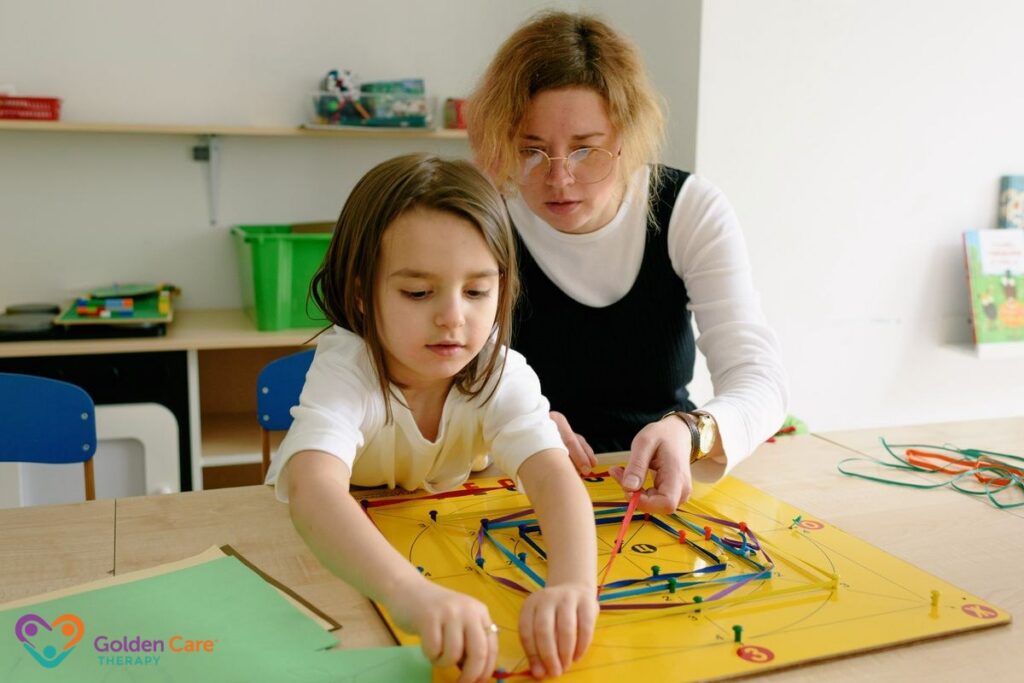
Does your child rub their feet together while sitting quietly or getting ready for bed? This behavior, often called autism rubbing feet together, is more common than many realize. For some children, it’s simply a comforting routine. For others, it reflects deeper sensory experiences unique to the autism spectrum. Understanding why a child rubs their feet involves exploring sensory processing, self-soothing techniques, and repetitive behaviors. By looking through a positive and informative lens, we can see what this behavior may mean, when it might relate to autism, and how it fits into a child’s overall sensory world. Let’s explore the reasons, benefits, and important considerations behind this gentle, rhythmic behavior.
Why People Rub Their Feet Together
Rubbing feet together is a movement observed across ages. It’s often rhythmic, repetitive, and soothing. Some common reasons include:
- Relaxation while lying in bed
- Self-soothing before sleep
- Managing mild stress or restlessness
- Help manage sensory overload
- Offer predictability in chaotic environments
- Providing proprioceptive feedback, which helps the body understand its position in space
Many people unconsciously twirl hair, tap fingers, or engage in similar repetitive movements. Rubbing feet together is just another natural way the body seeks comfort.
Research by Brouche, Rigal, and Cazalis (2024) emphasizes that stimming behaviors like feet rubbing are sensory-related and help individuals regulate their emotional state. These actions also help children feel seen, understood, and safe.
Is Rubbing Feet Together a Sign of Autism?

Repetitive behaviors are a hallmark of autism, but rubbing feet together alone is not diagnostic. Autism is defined by a combination of differences in communication, play, sensory processing, and social interaction, not by one isolated behavior.
However, for some autistic individuals, rubbing their feet together may serve as a self-stimulatory behavior, or stimming, providing sensory input or emotional regulation.
Rubbing Feet Together as Stimming
Stimming is a repetitive action that feels good to the body or helps the person feel in control. Examples include:
- Hand-flapping
- Humming
- Rocking or bouncing
- Rubbing feet together
For autistic children, rubbing feet together can help them manage sensory overload or provide a calming rhythm. Stimming is not harmful. In fact, it’s a natural way to regulate feelings in a world that can feel overwhelming.
Rubbing Feet Together at Bedtime
Many children rub their feet together before sleep. Why? Rhythmic movement relaxes the nervous system. Similar to how babies are rocked or some adults use white noise, this action helps prepare the body for rest. Children with sensory differences often seek consistent pressure or movement, and rubbing feet together provides that input.
When to Consider Professional Guidance
Most cases of feet rubbing are harmless. But if the behavior:
- Intensifies to the point of disrupting daily life
- Interferes with sleep
- Is accompanied by distress
…consulting a professional may help. Occupational therapists can assess sensory needs and provide strategies to support self-regulation.
Understanding Proprioception
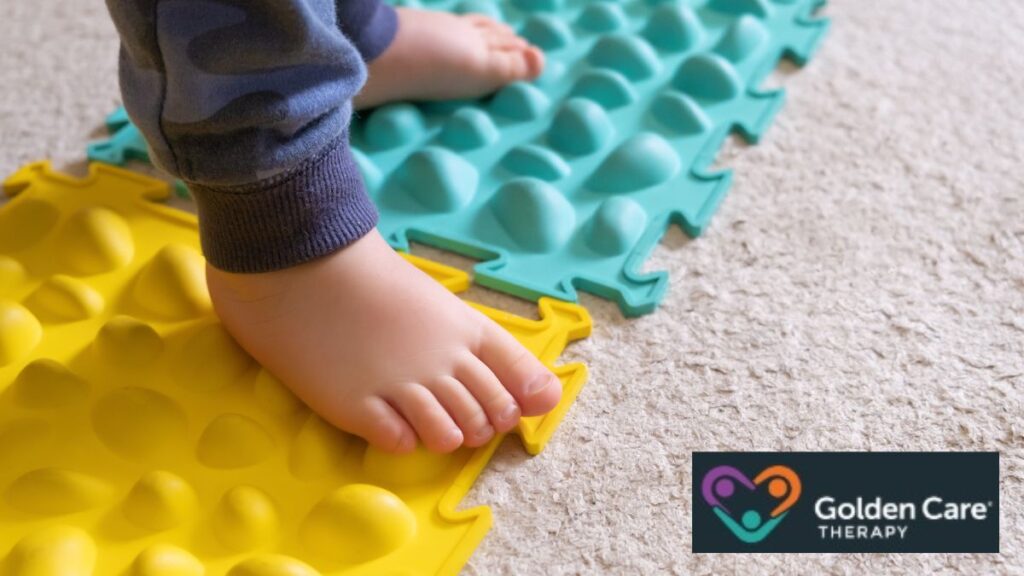
Proprioception refers to awareness of body position and movement. Feet rubbing delivers tactile input that enhances spatial awareness and body confidence. For autistic individuals, this action can provide grounding, reduce stress, and encourage focus.
Some studies suggest that rubbing feet may stimulate acupressure points, promoting relaxation and sleep quality. Similar to a gentle foot massage, this behavior can help create a bedtime routine that signals the body to wind down.
Situational Triggers for Feet Rubbing
Feet rubbing may occur in response to:
- Sensory overload (loud noises, bright lights)
- Emotional stress (anxiety or excitement)
- Routine changes (transitions or new environments)
- Boredom or low stimulation
Identifying triggers allows parents and professionals to create supportive environments that respect the child’s sensory needs.
Feet Rubbing: Typical Characteristics
Feet rubbing, or foot stimming, may include:
- Tapping or shaking the foot
- Scratching or rubbing the foot
- Rocking the foot back and forth
- Bouncing repetitively
These movements help individuals cope with sensory overload and manage emotions.
Sensory Processing in Autism
Autistic individuals may have sensory differences that influence behaviors like feet rubbing.
| Sensory Response | Description | Example |
| Hypersensitivity | Overreacting to input | Discomfort from loud sounds |
| Hyposensitivity | Underreacting | Little response to pain |
| Sensory Seeking | Actively seeking input | Repetitive motion like feet rubbing |
| Sensory Avoidance | Avoiding input | Refusal to wear certain fabrics |
Understanding sensory patterns helps explain why rubbing feet together may be soothing or regulating for some individuals.
Interpretation of Feet Rubbing Behavior
Feet rubbing can serve multiple purposes:
- Sensory Seeking: Provides tactile stimulation and pleasure
- Stress Relief: Reduces anxiety or tension
- Comfort: Offers predictability and familiarity
- Communication: Signals discomfort or emotional need non-verbally
Recognizing these functions helps parents and professionals respond supportively rather than suppressively.
Supporting Individuals Who Feet Stim
To support children effectively:
- Encourage communication about feelings or sensory needs
- Provide safe, sensory-friendly spaces for self-soothing
- Avoid trying to stop stimming, which can increase stress
- Implement routines and positive reinforcement for healthy coping strategies
Brouche et al. (2024) emphasize that observing and supporting sensory behaviors can improve trust, safety, and connection between children and their environment.
Positive Impacts of Feet Rubbing
Feet rubbing is not only harmless but can benefit emotional and physical regulation:
- Reduces sensory overload
- Promotes emotional stability
- Provides a predictable, calming sensation
- Enhances proprioception and self-awareness
By understanding feet rubbing as a coping mechanism, parents and educators can foster acceptance and encourage functional self-regulation.
Managing Foot Obsession
For children who develop a foot fixation, consider:
- Sensory Integration Techniques: Introduce varied textures and tactile experiences
- Behavioral Interventions: ABA methods can guide children to alternative coping strategies
- Social Stories and Communication: Teach appropriate expression of needs and emotions
- Structured Routines: Allocate sensory breaks and create predictable environments
Acceptance is key, foot obsession is not inherently harmful, but supporting balanced behaviors improves social and daily functioning.
Supporting Individuals with Autism Who Foot Stim
Recognizing foot stimming in people with autism is important for providing the right support. Foot stimming means repetitive movements of the feet. It is usually a self-regulating behavior. These movements can help individuals cope with sensory overload and manage emotions. They also bring comfort in overwhelming situations.
Common Characteristics of Foot Stimming & Potential Triggers
| Foot Stimming Behavior | Possible Triggers |
| Tapping or shaking the foot | Sensory overload (loud noises, bright lights) |
| Rocking the foot back and forth | Emotional stress (anxiety, frustration) |
| Scratching or rubbing the foot | Transitions (changes in routine or environment) |
| Bouncing the foot repeatedly | Boredom (lack of stimulation or engagement) |
Working with professionals is key to supporting foot stimming effectively. Behavior analysts, occupational therapists, speech-language pathologists, and special education teachers can collaborate. They design strategies tailored to each individual’s needs.
Accepting these behaviors is an important step toward understanding and compassion. With ongoing education and open communication, parents and caregivers can create an environment that meets the unique needs of individuals with autism. This helps them feel safe, comfortable, and supported to thrive.
FAQs
Is foot-rubbing ever a sign of a neurological need beyond autism?
Yes. Foot rubbing or other repetitive movements can show up in conditions like Restless Legs Syndrome (RLS) or as a sign of anxiety. These behaviors often reflect a need for sensory input or self-regulation. They don’t automatically mean autism.
Can different textures affect whether someone rubs their feet?
Absolutely. Foot rubbing is often sensory-seeking. The feel of a rug, pajamas, or sheets can change the behavior. Does a soft blanket make it more appealing? Does a scratchy sock reduce it? Small changes in texture can make a big difference.
Does foot rubbing stop as a person with autism gets older?
Not always. Some children may shift to different ways of stimming as they grow. Many autistic adults continue rubbing their feet. Stimming is a lifelong tool for self-regulation. Research shows many adults value these behaviors rather than seeing them as something to stop.
Is it helpful to redirect foot rubbing to another body part?
Sometimes. Instead of stopping the stim, offer replacement behaviors. A hand fidget toy or a weighted lap pad can provide similar sensory input. The goal is not to stop the behavior but to find a safer or less distracting way to meet the need.
If my child rubs their feet and seems unhappy, what should I check first?
Distressed stimming can signal overwhelm. Start with basics: Are they hungry, tired, or in pain? Are they too hot or cold? Has the environment changed suddenly, like a loud noise or bright light? Fixing these stressors often eases the behavior quickly.
Understanding Foot Stimming as Communication

This journey through autism foot stimming shows a simple truth. At Golden Care, we know repetitive behaviors, like rubbing feet, are rarely random. They are meaningful acts of communication. Foot rubbing can be a way your child self-soothes and manages their nervous system.
This behavior alone does not diagnose autism. It reflects a unique sensory profile, may be linked to anxiety, and can even support sleep. Most importantly, it is a coping strategy your child depends on.The most helpful step is changing perspective. Don’t try to stop the behavior; ask why it happens. Notice the movement, offer sensory alternatives, and create safe, supportive spaces. For families in Florida, Golden Care can guide you in understanding these behaviors. Reach out to us to explore strategies that help your child thrive with confidence.