
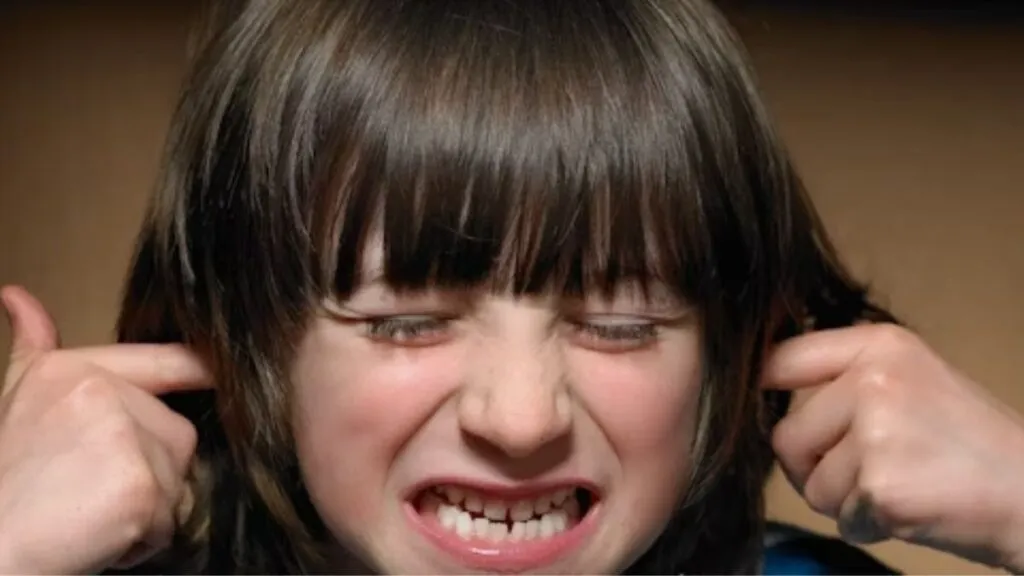
Everyday life can feel overwhelming for autistic individuals as sights, sounds, and emotions build up. So, how to help overstimulation autism? The key is to notice early signs such as fidgeting, covering ears, or withdrawing. Recognizing these cues allows for timely support.
Simple sensory tools and a prepared environment make a difference. Weighted blankets, quiet spaces, and consistent routines help reduce overload. Calming lighting and predictable schedules create a sense of safety and control.
By combining awareness, gentle regulation, and supportive surroundings, autistic individuals can better manage sensory challenges. These small adjustments foster calm, confidence, and balance in daily life.
The Science of Overstimulation in Autism

Sensory Processing Differences
Autistic brains handle sensory input differently, which often leads to hypersensitivity or hyposensitivity. Hypersensitive individuals may find everyday noises, lights, textures, or smells overwhelming. Hyposensitive individuals might seek intense sensations like spinning, deep pressure, or chewing. According to Miller (2015), sensory thresholds vary, meaning autistic individuals can become overstimulated quickly or seek additional sensory input to feel balanced.
These thresholds influence how much sensory input a person can tolerate. Lower thresholds result in faster overwhelm, while higher thresholds may cause sensory-seeking behaviors. Understanding these differences is essential when developing strategies for calm and comfort.
Neurological and Emotional Impact
Overstimulation activates the amygdala, the brain’s emotional center, triggering fight, flight, or freeze responses (DeGuzman et al., 2023). This leads to anxiety, panic, withdrawal, or emotional outbursts. Stress hormones surge, causing physical and emotional reactions:
- Fight: Outbursts, aggression, resistance.
- Flight: Escaping, hiding, avoiding.
- Freeze: Withdrawal, unresponsiveness.
Recognizing these responses allows timely intervention and helps autistic individuals recover more effectively.
Recognizing and Understanding Overstimulation

Physical and Emotional Signs
Early recognition prevents escalation. Common indicators include:
- Covering eyes or ears
- Fidgeting, rocking, or stimming
- Tense muscles, shallow breathing
- Irritability, withdrawal, or tearfulness
Recognizing signs early allows interventions that reduce stress before overload occurs.
Common Triggers
Environmental and social factors can spark overstimulation. Triggers may include:
- Loud or conflicting sounds
- Bright or flickering lights
- Crowded or chaotic spaces
- Unexpected changes in routine
- High emotional intensity in social interactions
Understanding individual triggers is essential. Not all autistic individuals react to the same stimuli. Observing patterns and adjusting environments accordingly is crucial (DeGuzman et al., 2023).
Practical Strategies to Prevent Overstimulation
Create a Sensory-Friendly Environment
Supportive spaces reduce the likelihood of overload. Tips include:
- Soft, natural lighting or adjustable lamps
- Noise-reducing devices or quiet zones
- Tidy, uncluttered spaces to reduce visual stimuli
- Comfortable clothing and seating
Visual schedules or consistent routines provide predictability, reducing stress caused by unexpected events.
Use Sensory Tools
Sensory aids enhance self-regulation:
- Noise-canceling headphones
- Weighted blankets or vests
- Fidget toys, chewable jewelry, or stress balls
- Calming visuals or color-coded schedules
These tools empower autistic individuals to manage their sensory input actively and feel in control.
Plan for Challenging Situations
Preparation can prevent overload in stimulating events. Tips include:
- Discuss triggers beforehand
- Offer choices of sensory tools
- Schedule breaks in quiet spaces
- Role-play events to practice coping strategies
Advance warnings and visual schedules allow individuals to anticipate changes, easing transitions and building confidence.
Teaching Self-Regulation Skills
Fostering self-awareness is critical. Encourage autistic individuals to recognize sensations and communicate needs. Tools like picture cards, apps, or emotion charts support this process. Simple strategies include:
- Deep breathing: Activates relaxation response, lowers heart rate.
- Grounding exercises: Focus attention away from overwhelming stimuli.
- Stimming: Safe repetitive behaviors for sensory regulation.
Practicing these techniques regularly improves effectiveness during real-life overstimulation episodes (Miller, 2015).
Responding in the Moment
When overstimulation occurs:
- Regulate: Move to a low-stimulus space, use calming tools, and maintain a calm presence.
- Relate: Offer empathy, validate feelings, and provide comforting items like blankets or plush toys.
- Reason: Discuss events only after the individual has calmed, using logic gently to understand triggers.
Avoid adding sensory input or forcing interaction, as it can worsen distress. Recovery time is essential.
Calming Techniques
Deep Breathing Exercises
- Diaphragmatic breathing: Breathe into the belly, not chest.
- Box breathing: Inhale 4, hold 4, exhale 4, hold 4.
- 4-7-8 breathing: Inhale 4, hold 7, exhale 8.
Isometric Exercises
- Squeeze hands or knees together, then release.
- Push against a wall or pull a rope for muscle tension release.
Deep Pressure
- Weighted blankets, vests, or lap pads
- Bear hugs (initiated by the individual)
- Wrapping in a blanket or sheet
- Sensory items like Play-Doh or living sand
Massage
- Self-massage with lotion or handheld massagers
- Pressure-activated vibrating pillows for tactile stimulation
Calming Area
- Soft pillows, fidget toys, bean bags
- Quiet corner or small area with familiar, comforting items
Recovery and Reflection
Allow time to recharge after overstimulation. Quiet time helps reset the nervous system, restore energy, and prevent burnout. Reflecting on triggers can prevent future episodes:
| Trigger | Reaction | Strategy |
| Loud noises | Covering ears | Headphones, quiet room |
| Bright lights | Squinting, shielding eyes | Sunglasses, soft lighting |
| Crowded spaces | Withdrawal | Scheduled breaks, visual cues |
Keeping a sensory journal tracks patterns and helps plan adjustments. Gradual exposure to triggers, with coping strategies, can build resilience safely over time.
Supporting Long-Term Well-Being
Encourage Communication
Teach simple phrases or signals to express sensory needs. Visual supports and AAC devices facilitate communication for non-verbal individuals, promoting self-advocacy and confidence.
Build Resilience
Gradual exposure, paired with control over the process, increases tolerance and reduces distress. Respect boundaries, allow choices, and incorporate breaks to maintain positive experiences.
A BCBA’s Perspective
Observing overstimulation firsthand reveals the importance of early recognition and structured interventions. Clear warning signs, paired with practiced coping strategies, prevent meltdowns and help individuals regain control. For instance, providing a five-minute break on a beanbag and guided sensory exercises allowed students to self-regulate and return to tasks effectively. Consistency and patience are key.
Common Misconceptions
- Overstimulation is a tantrum: It’s a neurological response, not goal-driven behavior.
- Autistic individuals need to “get used to it”: Forced exposure can worsen anxiety. Sensory accommodations improve trust, comfort, and self-regulation.
Sensory-friendly approaches, personalized coping strategies, and supportive environments empower autistic individuals to thrive in daily life.
FAQ: Calming Overstimulation in Autism
What is the difference between an autistic meltdown and a sensory shutdown?
A meltdown is an outward burst of emotion and behavior. It can include crying, yelling, or aggression. It happens when the body needs to release intense pressure from sensory overload. A shutdown, on the other hand, is internal and quiet. The person may stop talking, withdraw, or completely disengage. It’s the nervous system shutting down to save energy and block stimulation.
How do I know if my child is sensory-seeking (hyposensitive) or sensory-avoiding (hypersensitive)?
Sensory-avoiding behavior happens when a child tries to escape certain sensations. Examples include covering their ears from noise or refusing certain fabrics. Sensory-seeking behavior shows the child is looking for more intense input. They may spin, crash into things, or chew on non-food items. Observing their response helps determine if their sensory threshold is low or high.
Can an autistic individual experience overstimulation and under-stimulation at the same time?
Yes. This is called mixed modulation. A person might be very sensitive to sound (overstimulated) but still seek deep pressure or crashing movements (under-stimulated). It highlights how unique and complex sensory processing can be.
Is it better to talk through overstimulation during a meltdown or wait until it’s over?
It’s usually best to wait until the meltdown ends. During a meltdown, the brain’s emotional center takes over. Logic and verbal instructions can feel overwhelming. Short, simple reassurances are okay. Save deeper conversations for afterward, during reflection.
My child’s “calming corner” isn’t working anymore. What could be wrong?
A calming corner works best with variety. It should be a place of choice, not a punishment. Items may have lost their appeal. The location might be too open. Or the space could be linked to a negative event. Try rotating sensory tools or adjusting lighting. Make sure your child chooses to use it for regulation, not because they were told to go there.
Helping Your Child Thrive Through Sensory Challenges

Understanding how to help overstimulation autism is an ongoing journey, filled with chances for positive change. At Golden Care, we focus on personalized strategies that honor each child’s unique sensory needs. If you’re in New Jersey, reach out to us to see how we can support your child. Sensory processing differences are real, and meltdowns are neurological responses, not behavioral choices. Support, not punishment, should guide every approach.
Creating sensory-friendly spaces, using tools like weighted blankets or noise-canceling headphones, and teaching simple self-regulation skills such as deep breathing help children manage their environment. When overstimulation happens, respond calmly. Offer a safe, low-stimulus space and reflect on triggers afterward. With patience, understanding, and practical techniques, Golden Care helps children gain comfort, control, and lasting calm. Reach out to us to learn how we can help your child manage overstimulation with confidence and ease.