Blog

teaching turn taking autism

Strategies for Teaching Turn-Taking in Autism

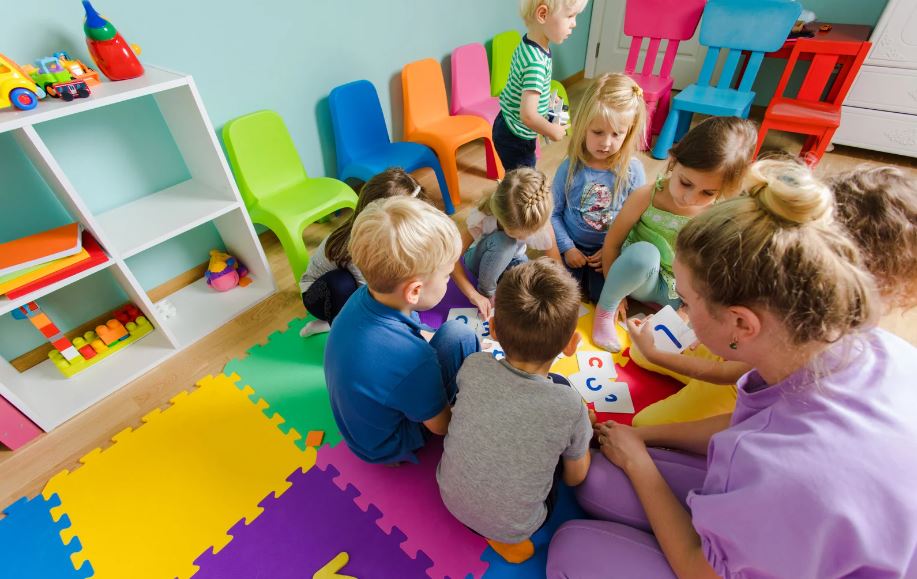
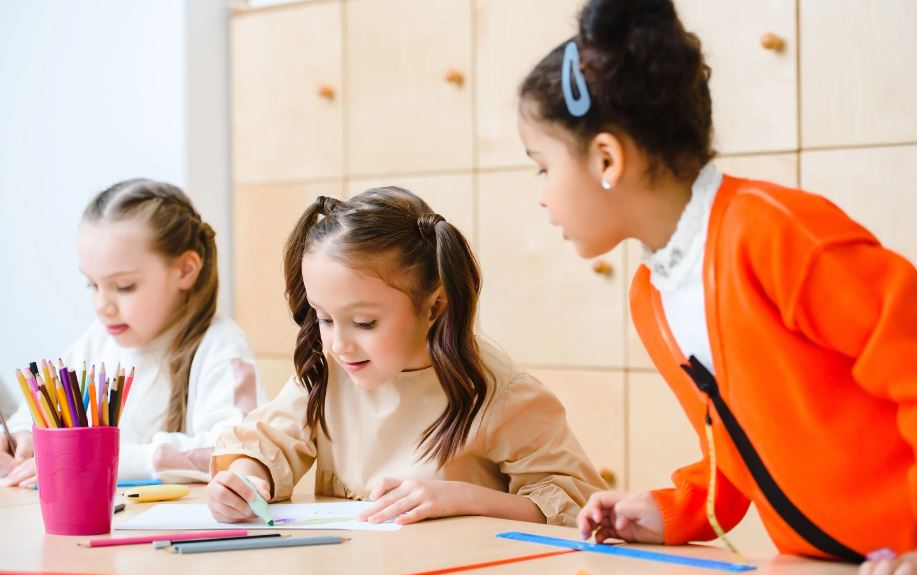
Turn-taking is a crucial social skill that helps us interact smoothly with others. For individuals with autism, learning how to take turns can be a bit more challenging, but with the right strategies, it can become easier.  This skill is important for playing games, having conversations, and participating in group
Read More
social boundaries autism

Understanding Social Boundaries in Autism

Social boundaries can be a tricky concept for anyone to navigate, but they can be especially challenging for individuals with autism. Boundaries help guide how we interact with others, shaping behaviors that are considered appropriate or respectful in different situations.  However, these unwritten rules may not always be clear for

Read More
modeling aba

The Importance of Modeling in ABA Therapy

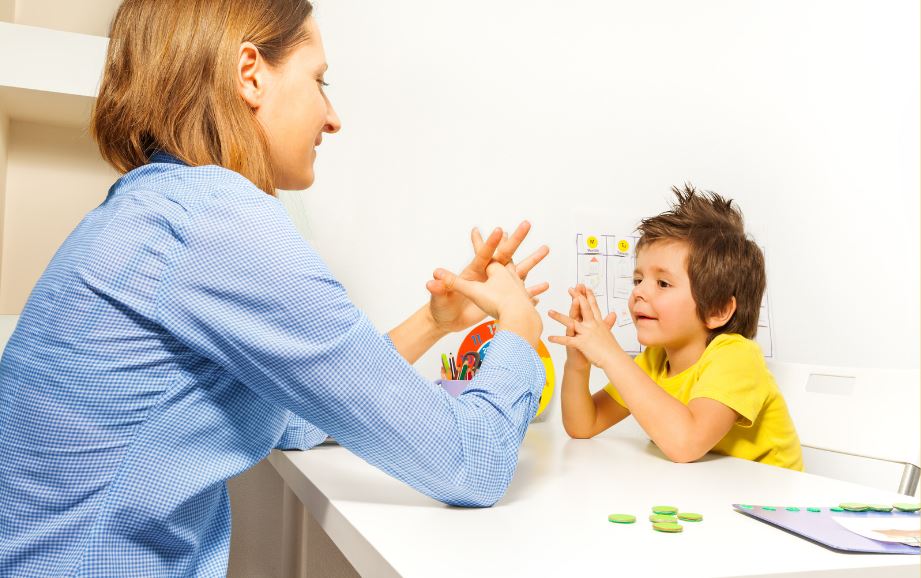
Modeling is a powerful teaching tool in ABA therapy that helps individuals learn new skills by watching others. It’s a natural way of learning that we all use in everyday life, but in ABA therapy, it is used in a structured way to support behavioral growth.  When someone sees a

Read More
fading aba

The Effectiveness of Fading in ABA Therapy

Fading is a key technique used in Applied Behavior Analysis therapy to help individuals learn new skills and become more independent. By gradually reducing the level of support provided, fading aims to make the transition from assistance to complete independence as smooth as possible.  This method allows individuals to build

Read More
extinction aba definition

Extinction in ABA: Definition and Overview

Extinction is a key concept in Applied Behavior Analysis that helps address and modify behaviors. It refers to the process of reducing or eliminating a behavior by stopping the reinforcement that maintains it.  When a behavior that was previously rewarded no longer gets attention or rewards, it eventually fades away.

Read More
social cues autism

What You Should Know About Social Cues in Autism

Understanding social cues is a crucial part of interacting with others, but for many people with autism, these cues can be challenging.  Social cues include things like body language, facial expressions, and tone of voice that help us understand how someone feels or what they might be trying to communicate.

Read More